Skincare routine by skin type: Why observe skin after wash
Your skin after cleansing tells you a lot about its true nature. To understand your specific needs, wash your face with a gentle cleanser, pat it dry, and wait 30 minutes to observe how it reacts.
This guide explains how to adjust your washing habits based on individual skin needs. Key takeaways include the importance of the 30-minute observation window, the necessity of using gentle cleansers, and how to identify oil or dryness levels after a fresh wash.
How to identify your skin type through washing?
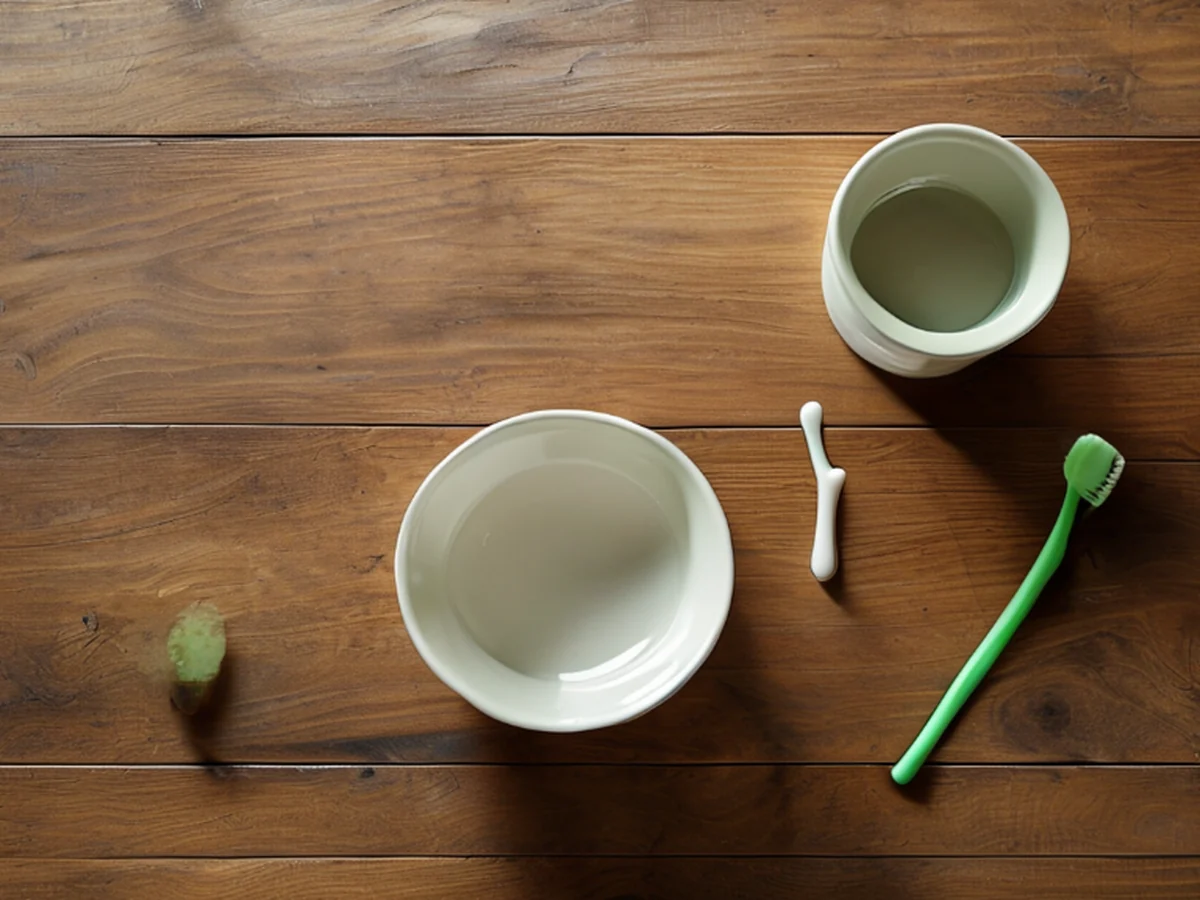
A bathroom sink holds the tools needed for a simple diagnostic test. You stand before the mirror, feeling the texture of your skin after a fresh cleanse.
The process begins by applying a gentle cleanser to your face to remove surface debris without causing irritation. After washing, you must pat the skin dry with a clean towel. You then wait 30 minutes to allow your natural oils to redistribute.
According to the guidance on identifying skin types, your skin after cleansing tells you a lot about its unique characteristics.
During this waiting period, pay attention to sensations like tightness or greasiness. This window of time provides a clear baseline of your skin's natural state. Watching for these shifts helps you determine if you lean toward oily, dry, or combination tendencies.
How can I manage my oily skin while cleansing? Skincare routine by skin type The faucet runs as you prepare for a morning routine. You feel the slickness on your forehead and nose, signaling an oily complexion.
Oily skin types often deal with excess sebum production, which can lead to enlarged pores or shine. For these individuals, a thorough but non-stripping cleanse is essential to manage oil without triggering compensatory oil production.
Using a cleanser that effectively removes excess lipids while maintaining the skin barrier is a common goal.
If the skin feels greasy all over after the 30-minute wait, it is likely oily. Managing this requires consistent cleansing to prevent buildup. You must balance thoroughness with gentleness to ensure the skin does not become overly dehydrated.
How do I care for my dry skin while washing? You reach for a soft towel and feel the slight tightness in your cheeks. The skin feels parched and lacks a natural glow.

Dry skin lacks sufficient oil production, making it prone to flakiness and discomfort. For those with this type, the cleansing process must focus on preserving the skin's natural moisture. Using creamy or oil-based cleansers can help maintain the lipid barrier.
If the skin feels tight or shows fine lines immediately after the 30-minute observation, it is likely dry. Over-cleansing can exacerbate this condition, making it vital to use hydrating products. Keeping the skin supple through gentle washing is a primary objective.
Applying a routine to your specific condition
You look at your reflection and decide which products to reach for based on your results. You apply the lessons learned from your diagnostic test to your daily life.
To apply a customized routine, follow these three steps:
- Perform the 30-minute test by washing with a gentle cleanser and waiting after drying. 2. Observe the skin's texture and oil levels to categorize it as oily, dry, or combination. 3. Select cleansers and moisturizers that address your specific findings, such as hydrating agents for dryness or oil-control for greasiness.
Always perform a final check by assessing how your skin feels throughout the day. I must admit I don’t follow this ‘rule’ 100% all of the time, but it provides a solid baseline for adjustment.
Common mistakes in skin type washing
You stand at the sink, realizing you might have been too harsh with your scrubbing. A common error is over-cleansing in an attempt to fix oily skin.
Aggressive washing can strip the skin of essential oils, leading to irritation or even more oil production. Another mistake is neglecting the 30-minute observation period, which can lead to misidentifying skin types.
If you skip the wait, you might mistake temporary tightness for your true skin type.
It is also easy to use products that are too heavy for oily skin or too light for dry skin. Consistency in observing how your skin behaves after a wash is key to long-term management.

- How to identify your skin type through washing?
- How can I manage my oily skin while cleansing?
- How do I care for my dry skin while washing?
The subject here is Skincare routine by skin type.
The same subject is also called Cleansing for dry skin.
The same subject is also called Oily skin washing guide.
The same subject is also called Best cleanser for skin.
The same subject is also called Skin type washing differences.
This part also covers How to choose facial cleanser.
This part also covers Managing pores with washing.
This part also covers Healthy skin cleansing steps.
How to choose facial cleanser
Related





Comments 0