Dry Skin Guide: How to Balance Moisture and Lipid Barriers
"The best way to lock in moisture is not just about adding water, but about creating a physical barrier that prevents it from escaping."
To effectively manage dry skin, you must focus on both hydration and occlusion to prevent transepidermal water loss. This guide covers how to select the right ingredients, master the layering technique, and adjust your routine for changing seasons.
* Prioritize humectants to pull moisture in and occlusives to lock it down. * Apply products to damp skin to maximize absorption. * Adjust your moisturizer thickness based on environmental humidity. * Avoid over-exfoliating, which can destroy your natural skin barrier.
Why does moisture disappear so fast?
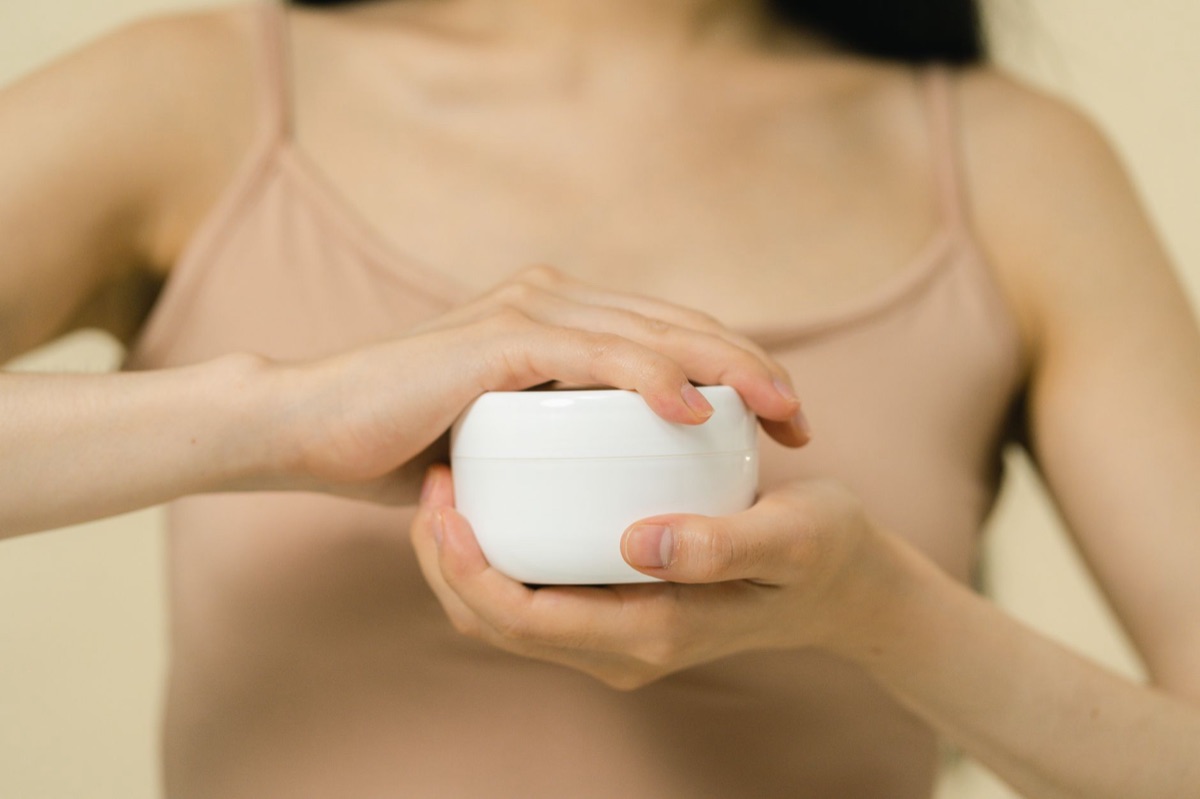
At dawn, I pulled at my tight, flaky cheek in the bathroom mirror and felt the desert-dry sting of dehydration.
Standing in front of a bathroom mirror at 7:00 AM, I noticed my skin felt tight and flaky despite applying a heavy cream the night before. This common frustration happens because many products only address one side of the hydration equation: adding water without preventing its evaporation.
Deeply dry skin requires a two-step approach involving both humectants and occlusives. If you only use watery serums, the moisture evaporates into the air, leaving your skin even drier than before. To prevent this, you need a strategy that mimics the skin's natural lipid barrier.
| Ingredient Type | Primary Role | Representative Ingredients |
|---|---|---|
| Humectants | Attracts and holds moisture | Hyaluronic Acid, Glycerin |
| Occlusives | Prevents moisture evaporation | Ceramides, Squalane |
Evaporation occurs when water molecules on the skin surface escape into the air, often leaving the skin barrier compromised and unable to retain hydration.
Mastering the art of layering techniques
I remember carefully tapping a thin serum into my skin, only to find it felt absorbed but left my face feeling parched minutes later. The secret lies in the order of operations, moving from the thinnest consistency to the thickest to ensure every layer is properly sealed.
The core of effective layering is to apply products based on their molecular weight and oil content. Start with water-based serums to deliver hydration deep into the stratum corneum, then follow up with much thicker creams to seal that moisture in.
- Apply a hydrating toner or essence to damp skin to provide an immediate water base. 2. Layer a concentrated serum containing humectants like hyaluronic acid. 3. Seal everything with a rich moisturizer or facial oil to create a protective barrier.
If you skip the final heavy layer, the lighter ingredients will simply vanish into the atmosphere.
- Apply lightweight, water-based serums first to deliver deep hydration.
- Layer thicker creams or oils over the serum to seal in moisture.
- Finish with a protective balm or occlusive if your skin is particularly dry.
How to choose ingredients for oil-water balance
Walking through a high-end apothecary, I found myself staring at a wall of bottles, wondering which specific chemical would actually stop the flaking. Understanding the difference between a humectant and an occlusive is the only way to make an informed purchase.
A balanced routine requires a mix of ingredients that work in tandem. Humectants act like magnets, pulling water from the environment or deeper layers of the skin into the surface. Occlusives, on the other hand, act like a seal, preventing that hard-earned water from escaping through evaporation.
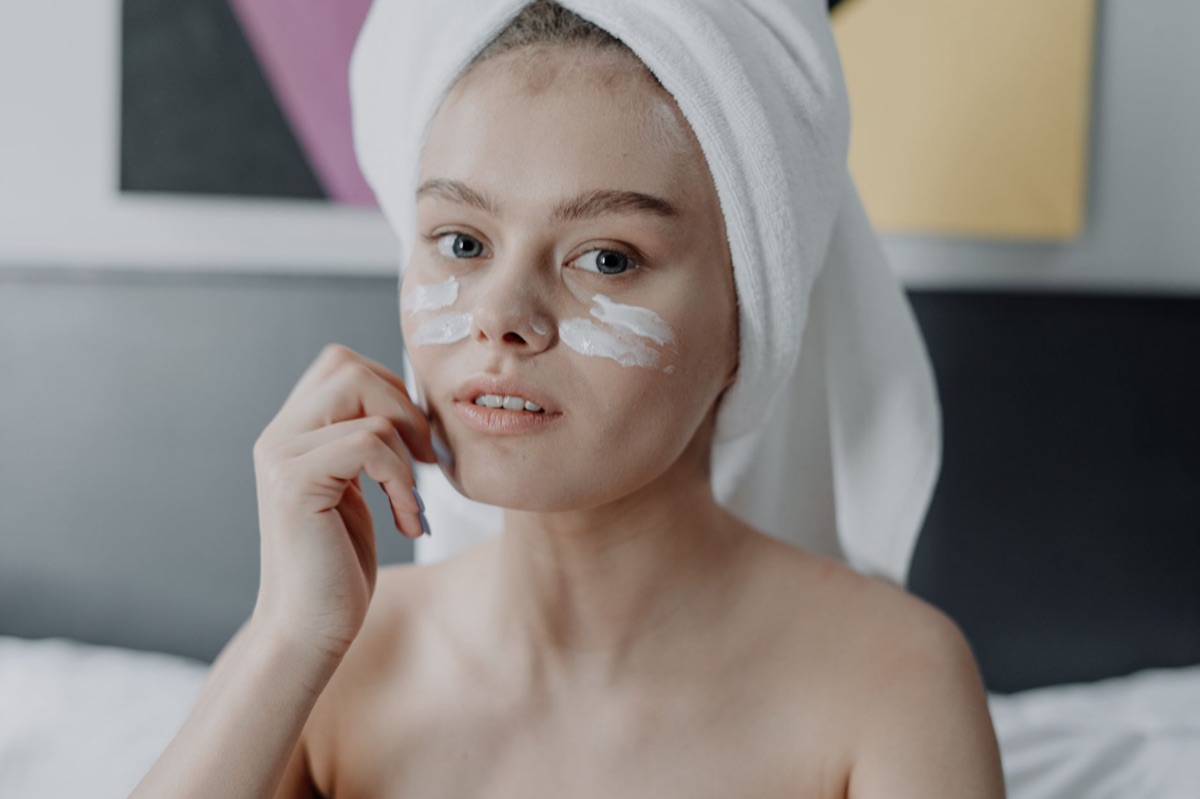
Using a humectant alone on very dry skin can sometimes backfire, as it may pull moisture out of the deeper layers of your skin to satisfy the surface. Always ensure you have a lipid-rich cream or oil to finish the process.
Look for humectants like hyaluronic acid to pull water into the skin, paired with emollients like ceramides to smooth the surface and prevent moisture loss.
Shifting your moisturizing strategy by season
As the temperature dropped during a sudden autumn cold snap, I realized my summer lightweight gel moisturizer was no longer sufficient for the dry air. Your skin's needs change with the humidity and temperature of your environment, requiring a flexible approach.
In humid summer months, a lightweight, oil-based moisturizer or a gel-cream might be enough to maintain hydration. However, during the harsh, dry winters, you must transition to heavier creams containing ceramides or thicker ointments to combat the low humidity.
* Spring/Summer: Focus on lightweight hydrators and high-water-content products. * Autumn/Winter: Switch to heavy, lipid-rich creams and facial oils to combat dry air.
This seasonal transition is vital because the skin barrier's ability to retain moisture is constantly challenged by external temperature shifts.
Switch to heavier, oil-rich creams during cold winter months and transition to lightweight, gel-based moisturizers during humid summer months.
Avoiding common mistakes and irritation
Looking at my red, irritated cheeks after an aggressive scrubbing session, I realized that I had been doing more harm than good in my quest for smoothness. Many people mistake irritation for "working" products, but true hydration should never feel painful or stinging.
According to ISO, the relevant Working Group submitted an edited version that was approved by 100% of those voting in a 2010 ballot.
Common mistakes can disrupt the skin's natural equilibrium and lead to chronic dryness or sensitivity.
- Over-exfoliation: Using harsh scrubs or acids too frequently can strip the skin barrier, leading to increased dryness and redness. 2. Using hot water: Washing your face with very hot water can strip natural oils, making dryness much worse. 3. Neglecting sunscreen: UV damage can compromise the skin barrier, making it harder to retain moisture over time.
These habits can cause significant damage to your skin's natural defense system.
A healthy, hydrated complexion is built on gentle, consistent care rather than aggressive treatments. This approach is especially important for those with naturally sensitive or compromised skin.
This guide is not intended for individuals with acute medical skin conditions like eczema or psoriasis, which require professional dermatological advice.
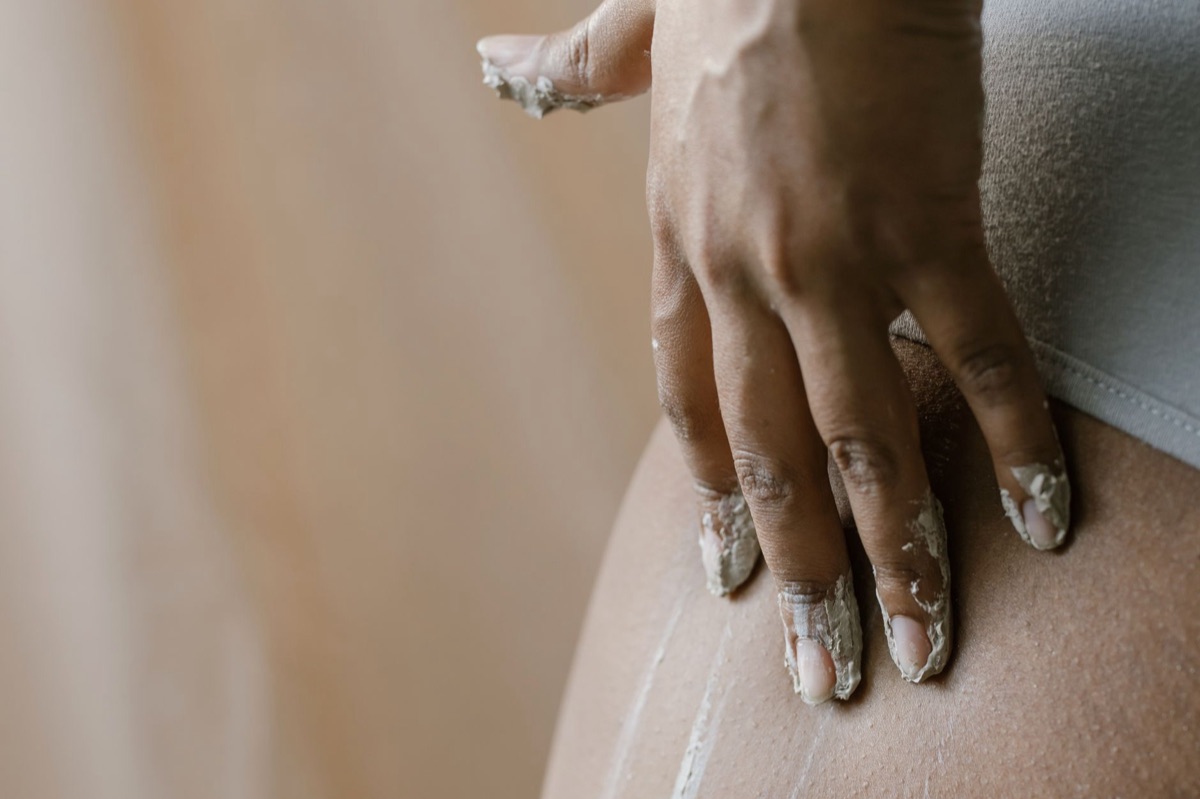
Avoid over-exfoliating, which can strip the natural lipid barrier, and prevent irritation by applying moisturizer to slightly damp skin to lock in extra hydration.
When I tried the steps in order, the second one is where I paused longest.
Related

Comments 0