How to build a routine: Skincare routine by skin type tips
The later part of this article returns to Skincare routine by skin type.
"Consistency is the only ingredient that truly transforms skin over time."
To manage dry skin effectively, you must focus on restoring the lipid barrier and preventing transepidermal water loss through layering humectants and occlusives.
This guide covers the essential routine for dehydrated complexions, the specific ingredients to look for, and how to adjust your habits for seasonal changes.
* Prioritize deep hydration using humectants like hyaluronic acid. * Seal moisture with lipid-rich creams to prevent evaporation. * Avoid harsh surfactants that strip natural oils. * Adjust product thickness based on humidity and temperature.
Why does my skin feel tight after washing?
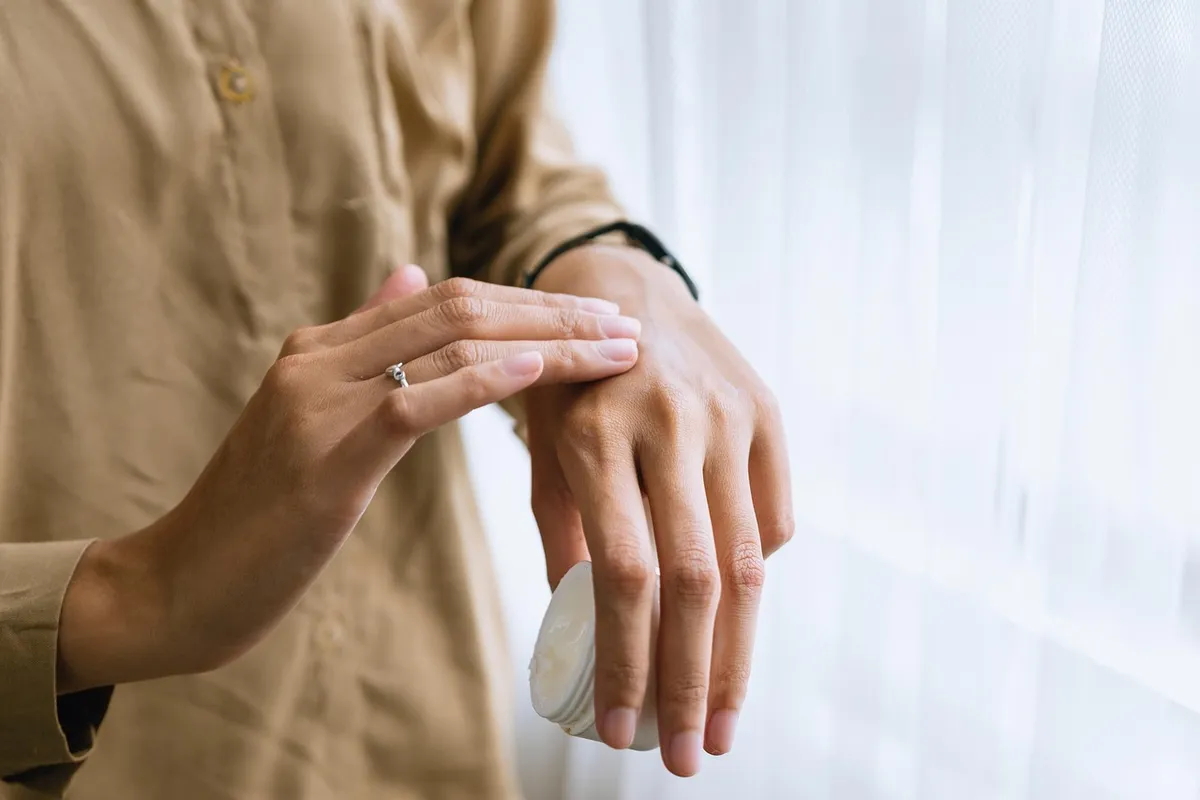
At the bathroom sink this morning, I pulled at my face and felt the uncomfortable pull as I tried to build a sense of comfort on my dry skin.
I sat at my vanity this morning, staring at the red, flaky patches around my nose after a quick rinse with a foaming cleanser. The tightening sensation was immediate, signaling that my skin barrier was struggling to hold onto its natural moisture.
According to The University of Alabama at Birmingham, 2025 guidance suggests that consistent use of products can lead to noticeable improvement in 4–8 weeks.
Tightness after cleansing usually indicates that your cleanser is too aggressive or that you are skipping a moisturizing step immediately after drying your face. When you wash your face, you temporarily disrupt the acid mantle, and if you don't replace those lost lipids, the skin becomes brittle.
This dryness often leads to fine lines and increased sensitivity.
To prevent this, transition to a non-foaming cream or oil-based cleanser that respects your skin's natural oils. Applying a hydrating toner or essence to damp skin right after washing can also help bridge the gap between cleansing and moisturizing.
This sensation often occurs when surfactants strip away natural lipids, disrupting the skin's protective barrier.
Essential ingredients for deep hydration Skincare routine by skin type
In the evening I hold build and walk through the next step.
I remember the first time I switched from a heavy, greasy ointment to a lightweight hyaluronic acid serum, feeling the immediate relief of plumpness without the heavy weight. It changed how I viewed the relationship between water and oil in my skincare.

Effective dry skin management requires a two-pronged approach: adding water (hydration) and adding oil (moisturization). You need ingredients that can pull moisture into the skin and others that can lock it in.
| Ingredient Category | Primary Function | Examples |
|---|---|---|
| Humectants | Attracts water to the skin cells | Hyaluronic Acid, Glycerin, Urea |
| Emollients | Smooths the skin surface | Ceramides, Squalane, Fatty Acids |
| Occlusives | Creates a physical seal to prevent evaporation | Petrolatum, Shea Butter, Lanolin |
Using a humectant alone can sometimes backfire; if the air is very dry, these ingredients might pull moisture out of your deeper skin layers instead of from the environment. This is why you must always layer an emollient or occlusive over your hydrating serums.
Look for humectants like hyaluronic acid to attract moisture and emollients like ceramides to seal it in.
The recorded figure is 2 liters.
How to build a reliable moisturizing routine?
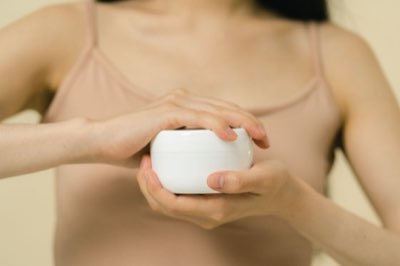
I stood in front of my bathroom mirror, carefully tapping a thick cream into my cheeks, making sure every dry patch was covered before the moisture evaporated. It felt like a ritual of replenishment rather than just a chore.
Building a routine for dry skin is about layering products from thinnest to thickest to ensure maximum absorption and protection. Follow these steps to create a stable moisture barrier:
- Apply a hydrating toner or essence to damp skin to provide an immediate water base. 2. Layer a concentrated serum containing humectants to target deep dehydration. 3. Seal everything with a rich moisturizer containing ceramides or fatty acids to mimic the skin's natural structure.
After completing these steps, touch your skin to check for a "bounce." If the skin feels tacky but smooth, your layers are absorbing well; if it feels tight again within minutes, you may need a thicker occlusive layer.
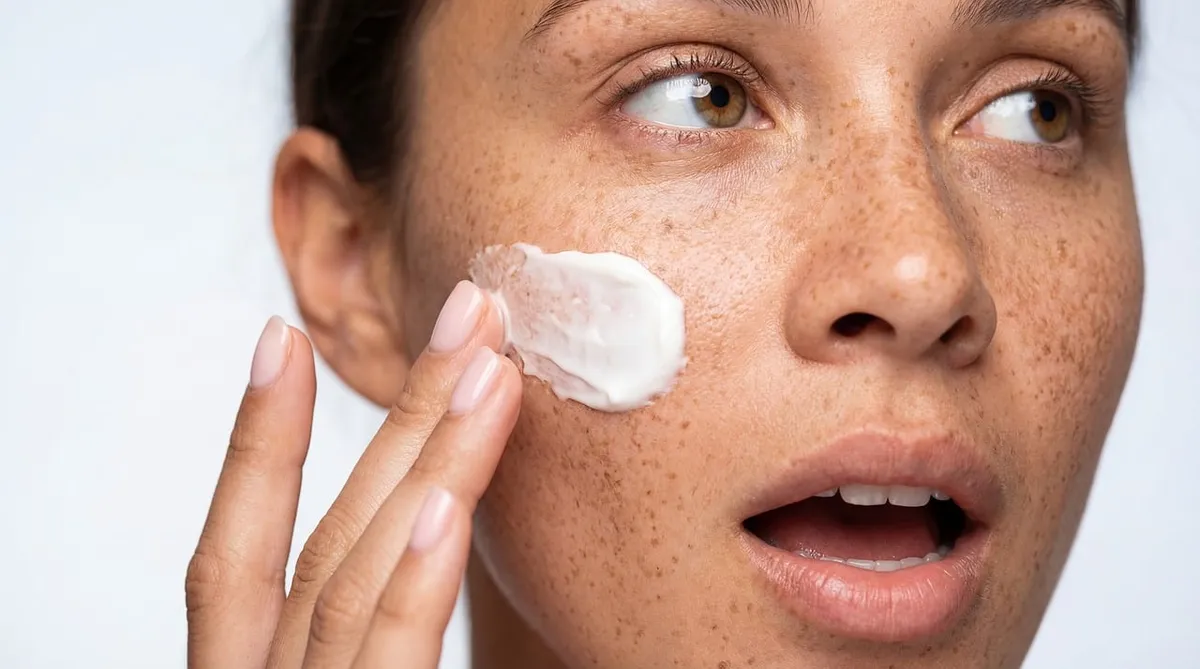
- Apply a hydrating toner to damp skin.
- Layer a concentrated serum to target specific dryness.
- Seal everything with a rich moisturizer.
Managing seasonal changes and environmental factors
Walking through a gust of cold wind during a winter morning, I felt the familiar sting of windburn on my cheeks, reminding me that my summer routine was no longer sufficient. The environment dictates how much protection your skin needs at any given moment.
Dry skin is highly reactive to changes in humidity and temperature. In the winter, low humidity pulls moisture from the skin, requiring thicker, more occlusive creams.
In the summer, you might prefer lighter lotions, but you still need to maintain hydration to prevent "dehydrated oily skin," where the surface is dry but the skin overproduces oil to compensate.
When the weather turns cold, look for products with higher concentrations of shea butter or petrolatum. During humid months, you can rely more on glycerin-based lotions that provide hydration without the heavy feeling of waxes.
In this sequence, the second step is the most critical for maintaining moisture levels.
Avoiding common mistakes that worsen dryness
I looked at the empty bottles of high-alcohol toners in my cabinet and realized they were the primary reason my skin felt so parched every single morning. It was a lesson in how much "cleansing" can actually damage the skin.
Many people mistake the "squeaky clean" feeling for healthy skin, but that sensation is actually a sign of a stripped barrier. Avoiding these mistakes will save your skin from chronic irritation:
* Stop using high-percentage alcohol-based toners that evaporate quickly and take skin moisture with them. * Limit hot water usage during showers, as heat dissolves the very lipids your skin needs to stay hydrated. * Do not over-exfoliate with harsh physical scrubs, which can create micro-tears and increase dryness.
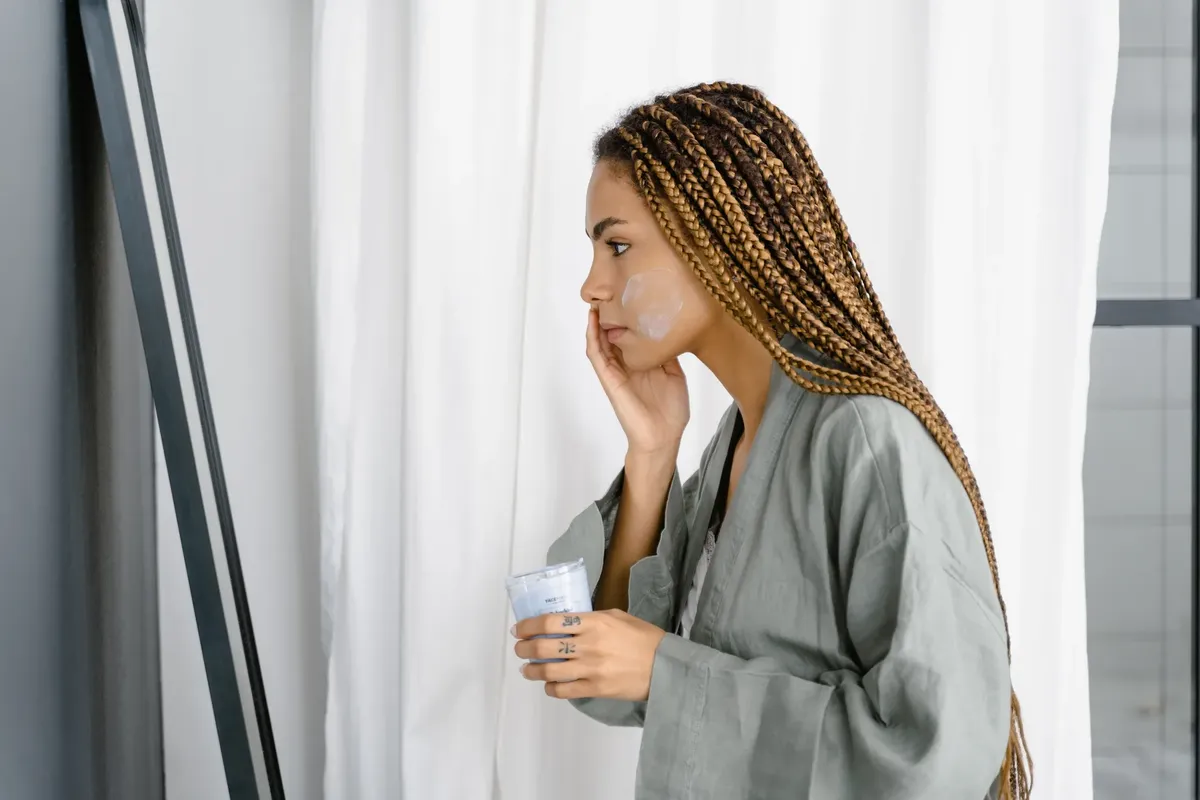
One limitation to keep in mind is that even the best moisturizing routine cannot fully compensate for extreme environmental conditions, such as living in an arid desert climate where the humidity is consistently low.
Over-exfoliating too frequently can lead to micro-tears and increased sensitivity.
This order does not hold, however, when the figure is not 2 liters.
The later part of this article returns to Skincare routine by skin type.
The same subject is also called Dry skin routine guide.
The same subject is also called Oily skin pore care.
The same subject is also called Sensitive skin routine steps.
The same subject is also called Skin recovery skincare tips.
This part also covers Best routine for dry skin.
This part also covers How to manage oily skin.
This part also covers Skincare for skin repair.
Best routine for dry skin
Related


Comments 0