Pore care by skin type: Guide to skin health
"Sunscreen should be applied to all areas of the skin that will be exposed to sunlight, and at least a tablespoon (25 ml) should be applied to each limb, the face, chest, and back, to ensure thorough coverage."
Effective pore care by skin type requires adjusting your routine to match the specific needs of your epidermis. This guide covers how to manage different skin textures, provides a comparison of common ingredients, and offers a basic regimen to maintain skin health.
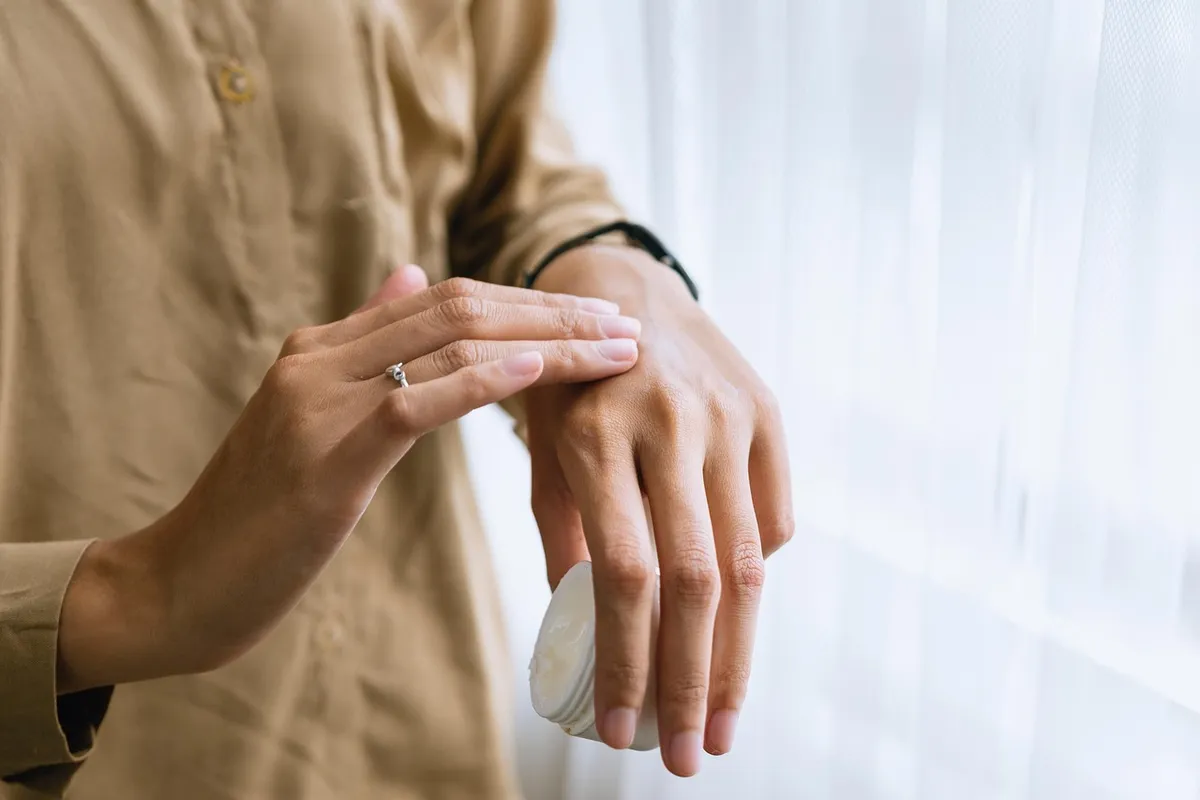
Key takeaways: 1. Adjust water temperature to protect the skin barrier. * Use specific concentrations of active ingredients based on skin needs. * Apply protective layers to all exposed areas.
How do I start a daily pore care routine?
An empty sink and a gentle cleanser represent the first step in managing skin texture. You stand before the mirror, feeling the warmth of the tap, knowing that temperature plays a role in how your skin reacts to cleaning.
Washing dry skin should be done daily using lukewarm water that is less than 37 °C (99 °F). This gentle approach helps maintain the integrity of the skin while cleaning the surface. Using water that is too hot can lead to unnecessary dryness or irritation.
Properly managing the skin requires a balanced approach to hydration and cleansing. By keeping the temperature controlled, you prevent the stripping of natural oils. This foundational step ensures the surface remains ready for further treatments.
Which ingredients will help manage my pores? Pore care by skin type A bathroom shelf filled with various bottles can be overwhelming when trying to find the right solution. You pick up a small tube, reading the labels to understand how specific chemicals interact with your skin cells.
Benzoyl peroxide is a drying agent and is typically found in concentrations of 2.5 - 10%. This ingredient is often used to target oily areas, but its drying effect must be managed carefully. Overuse can lead to irritation if not balanced with moisturizing steps.
A custom pore care routine often involves managing these drying agents. Using the right concentration helps address specific concerns without causing excessive damage to the epidermis. It is important to monitor how your skin feels after application.
| Ingredient | Typical Concentration | Primary Effect |
|---|---|---|
| Benzoyl Peroxide | 2.5% - 10% | Drying agent |
| Dexpanthenol | 2.5% - 5% | Reduces irritation |
I once tried a high concentration of a drying agent, but I had to adjust my routine to prevent redness.
How can I reduce skin irritation?
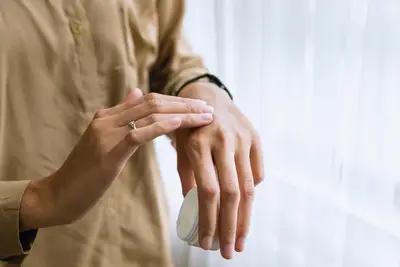
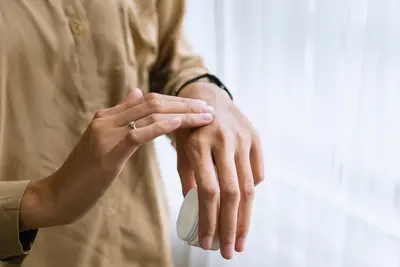
Applying a soothing cream to a sensitive area requires a gentle touch and careful measurement. You look at the texture of the cream, wondering how it will calm the redness on your face.
2.5% or 5% dexpanthenol is known to reduce irritation. This ingredient provides a way to soothe the skin when it becomes reactive to other treatments. It is a useful tool for maintaining comfort during a more active skincare regimen.

Using dexpanthenol can help mitigate the side effects of stronger treatments. It serves as a buffer to protect the skin from the drying effects of other products. This helps maintain a more stable skin environment.
What do my different skin areas actually need? Looking closely in the mirror, you notice that the skin on your face is much thinner than on your hands. This realization changes how you approach applying products to different parts of the body.
The skin located under the eyes and around the eyelids is the thinnest skin on the body at 0.5 mm thick. Because it is so thin, it is one of the first areas to show signs of aging such as "crows feet" and wrinkles. This requires much more delicate handling than thicker skin.
In contrast, the skin on the palms and the soles of the feet is the thickest skin on the body at 4 mm thick. Understanding these variations is essential for a skin type pore management strategy. You cannot treat the delicate eye area the same way you treat the palms of your hands.
How do I build a reliable skin type pore management routine?
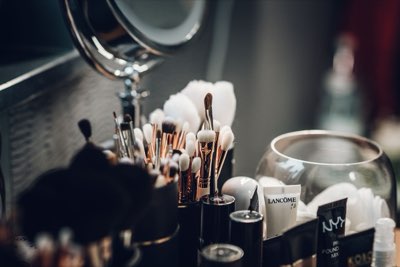
Laying out your products on a vanity helps organize the steps for a consistent daily habit. You follow a sequence that moves from cleansing to protection to ensure every part of the face is covered.
- Wash the face daily using lukewarm water (less than 37 °C) to clean the surface without over-drying. 2. Apply targeted treatments, such as benzoyl peroxide or dexpanthenol, to specific areas of concern. 3. Apply sunscreen to all exposed areas, using at least a tablespoon (25 ml) for the face, chest, back, and each limb.
A small best pore routine for skin involves checking the skin's reaction after each step. If irritation occurs, you may need to adjust the concentration of active ingredients or the frequency of use.
What are the biological factors of skin?
Peering at a diagram of the skin, you see the complex layers that make up the human body. Understanding these layers helps explain why certain treatments work on the surface while others target deeper structures.
Keratinocytes are the major cells, constituting 95% of the epidermis. While these cells form the primary structure, other cells like melanocytes and Langerhans cells are also present. This cellular makeup dictates how the skin reacts to environmental factors and products.
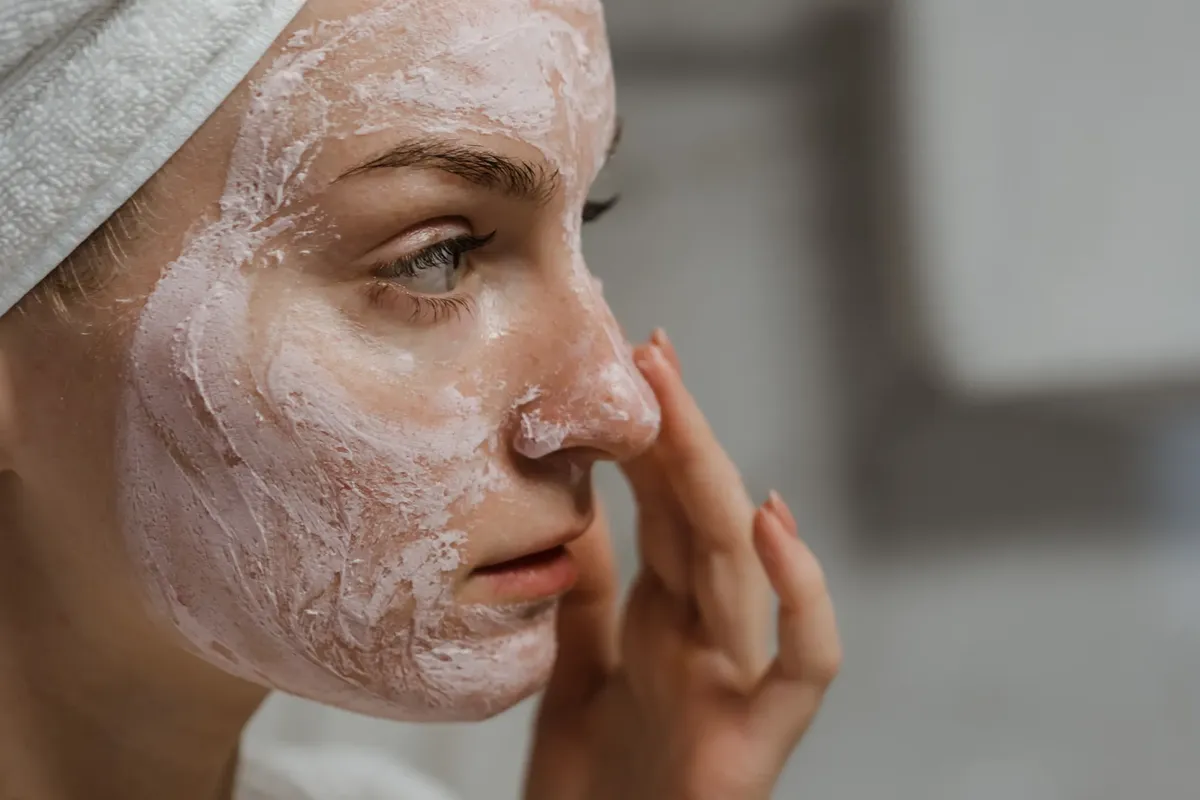
The subcutaneous tissue contains 50% of body fat and includes main cell types like fibroblasts, macrophages, and adipocytes. This deeper layer provides structure and support. A small pores skincare guide must account for how these various layers interact with topical applications.
- How do I start a daily pore care routine?
- Which ingredients will help manage my pores?
- How can I reduce skin irritation?
The subject here is Pore care by skin type.
This part also covers How to shrink pores naturally.
This part also covers Daily pore care steps.
This part also covers Treating enlarged pores at home.
How to shrink pores naturally
Related
- Skin type moisturizing routine: 90% sun exposure risks
- 30 Minute Skin Assessment Cleanser choice by skin type
When should I adjust my pore care routine?
You should adjust your pore care routine when your skin shows signs of adverse reactions to the products used. If irritation occurs after applying a treatment, you might need to modify the concentration of the active ingredients.
Furthermore, monitoring how your skin feels after each application step is a necessary procedure.
What conditions necessitate careful product application?
The skin under the eyes, which is the thinnest skin on the body at 0.5 mm thick, demands much more delicate handling. This thinness makes the eye area susceptible to showing signs of aging sooner than thicker skin areas.
Conversely, the palms and soles of the feet, being 4 mm thick, require a different approach to product application.
When applying protective layers, remember that sunscreen should be applied to all areas of the skin that will be exposed to sunlight. This caution ensures that vulnerable areas receive adequate defense against UV exposure.
Disclaimer: This article is general information, not medical advice. Consult a qualified healthcare professional before taking any supplement or medication.


Comments 0