Skin type moisturizing routine: 90% sun exposure risks
"More than 90% of cases are caused by exposure to ultraviolet radiation from the Sun."
Achieving a healthy skin type moisturizing routine requires understanding the balance between cleansing and hydration. This guide helps you navigate the selection of cleansers and moisturizers based on your unique skin needs.
You will learn how to manage different acidity levels, identify risks like moles, and avoid harmful habits to maintain long-term skin health.
How can I identify my skin type for a better skin type moisturizing routine?
Standing before a bathroom mirror, you observe how your skin reacts to the morning air. Some faces feel tight and flaky, while others appear oily by midday. Identifying these differences is the first step in building a personalized skincare regimen.

According to The World Health Organization, the organization now places people who use artificial tanning beds in its highest risk category for skin cancer.
Effective skincare begins with recognizing whether your skin is dry, oily, or combination. A dry skin type moisturizing routine often focuses on replenishing lost lipids, while oily skin requires lightweight, non-comedogenic formulas.
For those with combination skin, a targeted approach is necessary to balance oily T-zones with drier cheeks.
Understanding these variations allows you to select products that prevent irritation. If you have sensitive skin, you might notice redness or discomfort after using certain cleansers. Adjusting your product selection to match your natural oil production helps maintain a stable skin barrier.
What are the acid levels to consider in an acidity cleanser guide?
A person reaches for a foaming cleanser and notices the sudden tightness on their cheeks. This sensation often indicates an imbalance in the skin's natural pH levels. Choosing the right acidity is vital for maintaining the acid mantle.
An acidity cleanser guide focuses on the pH of the products you use daily. Most healthy skin has a slightly acidic pH, which helps protect against bacteria. Using a cleanser that is too alkaline can strip natural oils, while overly acidic products might cause irritation.
The goal is to find a product that cleanses without disrupting the skin's natural defenses. For oily skin, a slightly more cleansing formula might be preferred, whereas dry skin benefits from much gentler, low-pH options. Finding this balance prevents the cycle of over-cleansing and dehydration.
How do I build a skincare routine for skin type needs?
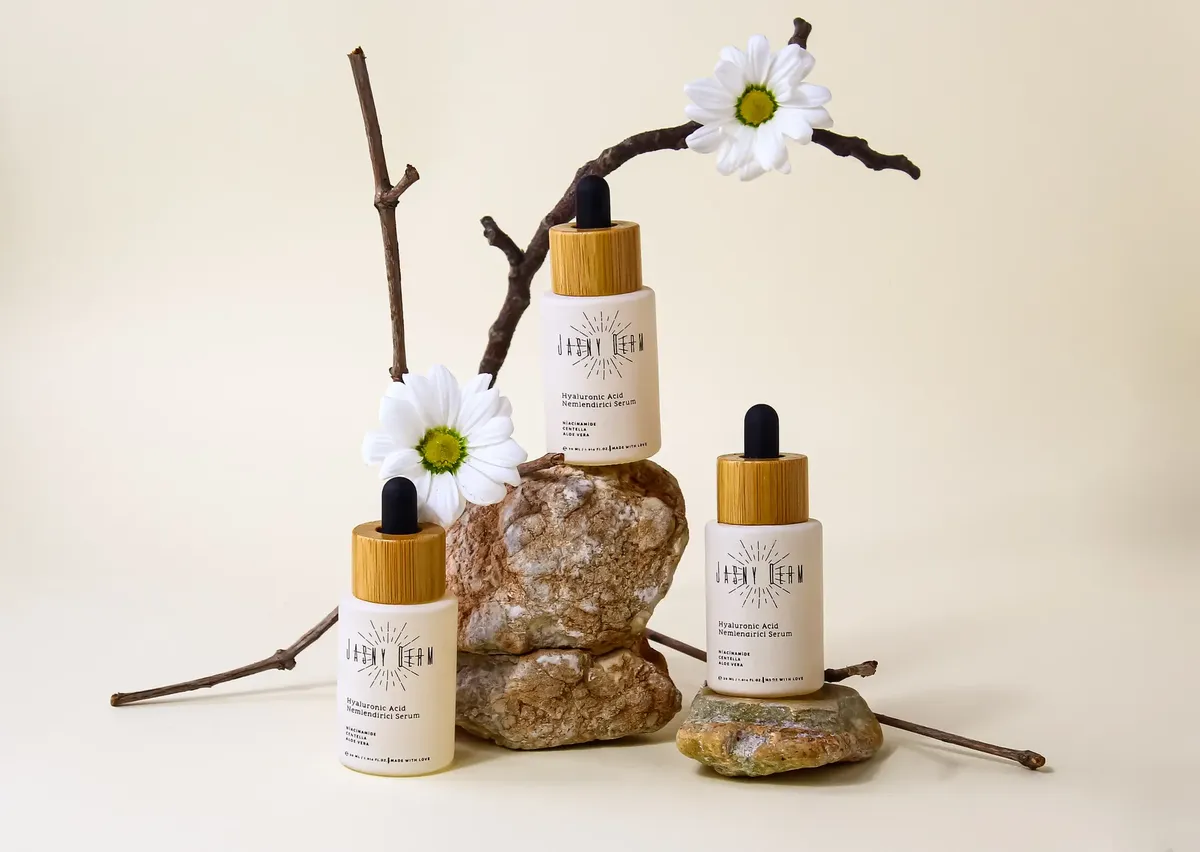
You apply a soothing lotion to your face after a long day of outdoor activities. The ritual of application becomes a moment of self-care and skin protection. Building a routine requires consistency and the right sequence of products.
A successful skincare routine for skin type variations usually follows a three-step process: 1. Cleanse the skin thoroughly to remove dirt and impurities without stripping natural oils. 2. Apply a targeted treatment or serum to address specific concerns like hydration or aging. 3.
Seal in moisture with a moisturizer appropriate for your specific skin type.
I found that applying moisturizer to slightly damp skin helps lock in extra hydration. A final check involves monitoring how your skin feels an hour after application. If it feels tight, you may need more hydration; if it feels greasy, you might need a lighter texture.
- Start with a cleanser suited to your specific skin type.
- Apply targeted treatments or serums to address unique concerns.
- Seal in moisture with a moisturizer that complements your skin's natural oil levels.
What are the best practices for choosing a pH cleanser?
Picking up a bottle of cleanser at a retail store can be overwhelming due to the many options available. You read the labels carefully, looking for terms like "pH balanced" or "acidic." Selecting the right tool is essential for skin health.
Choosing a pH cleanser involves matching the product's acidity to your skin's current state. For example, if your skin is already irritated, a neutral or slightly acidic cleanser is often safer. If you have very oily skin, a cleanser that can manage sebum without causing extreme dryness is ideal.
The right cleanser should leave your skin feeling soft rather than "squeaky clean," which often indicates damage. When you experiment with new products, introduce them one at a time. This allows you to observe how your skin responds to the specific acidity level.

Look for products labeled as pH-balanced to maintain the skin's protective barrier. Avoid harsh, high-pH soaps that strip away natural oils, and opt for formulas that keep the skin's acidity stable.
How to pick right cleanser based on existing skin conditions?
You notice a small mole or a patch of discoloration while applying moisturizer in the morning light. For individuals with specific skin concerns, such as existing moles or sensitive areas, product selection becomes even more critical.
If you have moles or nevi, you must be mindful of how products interact with these areas. While moisturizers do not change the nature of a mole, keeping the skin healthy is part of general maintenance.
It is important to note that some genetic syndromes, such as congenital melanocytic nevi syndrome, involve moles present at birth or appearing within 6 months of birth.
Additionally, be aware that certain medical treatments can affect skin sensitivity. For instance, the use of Cyclosporin A can increase certain risks by approximately 200 times. Always consult a professional if you have significant skin changes or existing medical conditions.
If you have sensitive skin, choose fragrance-free and soap-free formulas. For acne-prone skin, look for gentle exfoliating agents, while those with dry skin should prioritize creamy, non-foaming cleansers that prevent moisture loss.
What are the essentials for daily hydration for skin health?
The sun shines through the window as you reach for your daily moisturizer. Protecting the skin from environmental factors is just as important as the hydration itself. Long-term health depends on daily protective habits.
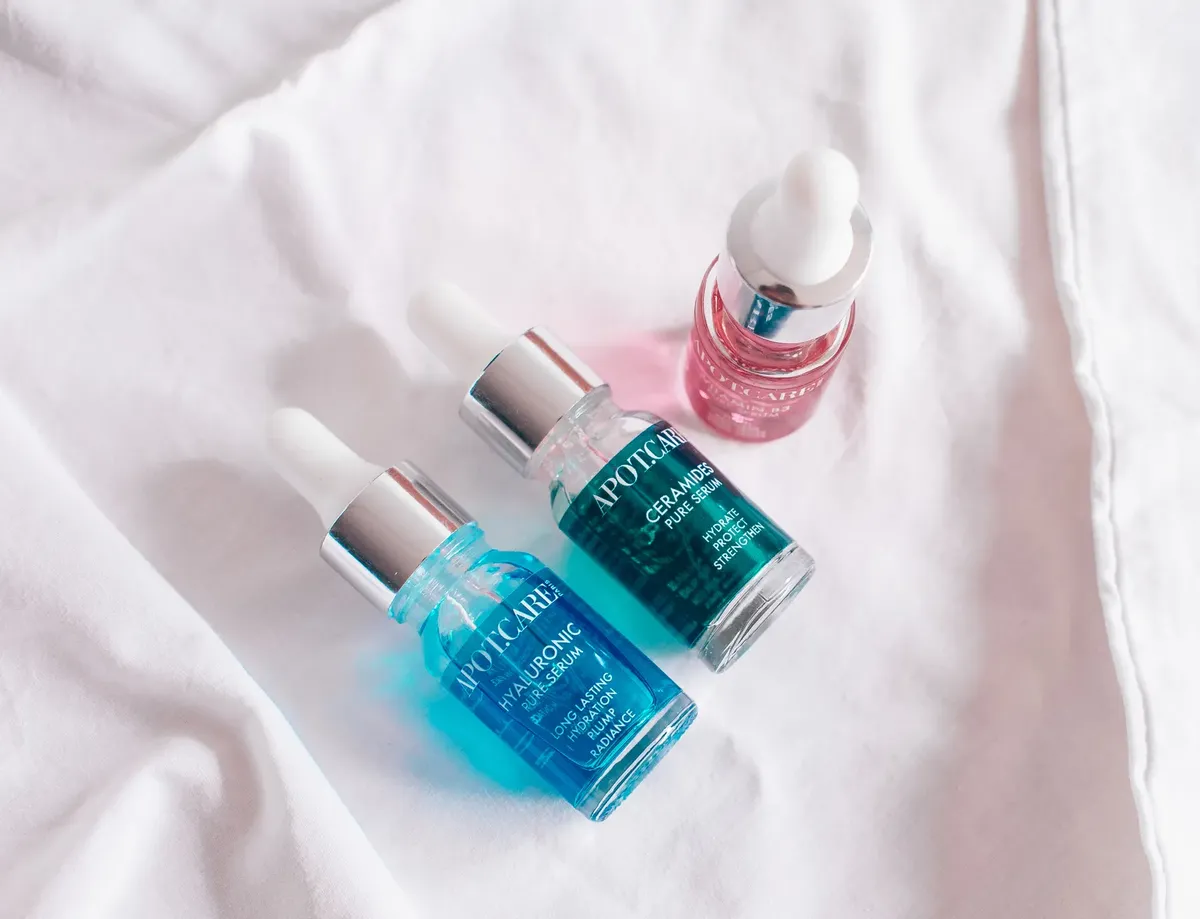
Daily hydration for skin longevity involves more than just applying cream. You must also protect the skin from external damage, such as ultraviolet radiation. According to Wikipedia, more than 90% of skin cancer cases are caused by exposure to ultraviolet radiation from the Sun.
Using sunscreen alongside your moisturizer is a non-negotiable step in any routine. This combination protects the skin barrier while providing necessary moisture. Consistency in these daily habits helps maintain the structural integrity of the skin over time.
Daily hydration requires a combination of humectants to attract water and emollients to lock it in. Consistently applying moisturizer to damp skin helps maintain optimal hydration levels throughout the day.
The same subject is also called Best moisturizer by skin type.
The same subject is also called Choosing pH cleanser.
This part also covers pH level in skincare.
Related
- 30 Minute Skin Assessment Cleanser choice by skin type
- Skincare routine by skin type: Why observe skin after wash
Disclaimer: This article is general information, not medical advice. Consult a qualified healthcare professional before taking any supplement or medication.





Comments 0