Skincare ingredient guide: How to choose best ingredients
A single bottle of serum can change a complexion, but only if you understand what is inside.
Effective skincare begins with a clear understanding of how specific compounds interact with your biology. This guide assists you in navigating complex product labels so you can select the right tools for your skin type.
You will learn the fundamental role of various components, how to layer them safely, and why matching ingredients to your specific needs is the most important step in any routine.
How can you use a skincare ingredient guide?

Standing in a brightly lit bathroom aisle, I often find myself squinting at small print on product labels to see if they match my current skin concerns. A reliable skincare ingredient guide helps you move past marketing claims to see the actual functional components of a formula.
The primary goal is to identify the active elements that address specific issues like hydration, texture, or tone. By learning the science behind these substances, you can make informed decisions rather than following fleeting trends.
Understanding the basics of concentration and stability allows you to predict how a product will behave once applied.
* Identify the primary active ingredient. * Check for potential irritants or stabilizers. * Verify the product's intended use case.

- Identify your primary skin concerns.
- Cross-reference your needs with specific ingredient properties.
- Build a customized regimen based on these findings.
What is the ingredient role in routine?
Applying a heavy moisturizer over a thin, watery essence requires an understanding of viscosity and absorption. The ingredient role in routine is defined by how different molecular weights and textures work together to deliver benefits.
Some ingredients are designed to penetrate deeply to provide structural support, while others sit on the surface to create a protective barrier. When you understand this hierarchy, you can layer products from thinnest to thickest to ensure maximum efficacy.
This strategic approach prevents wasting expensive products by applying heavy creams before lighter, more potent serums.
In this sequence, the second step is the most comprehensive.
How are you choosing skincare ingredients?
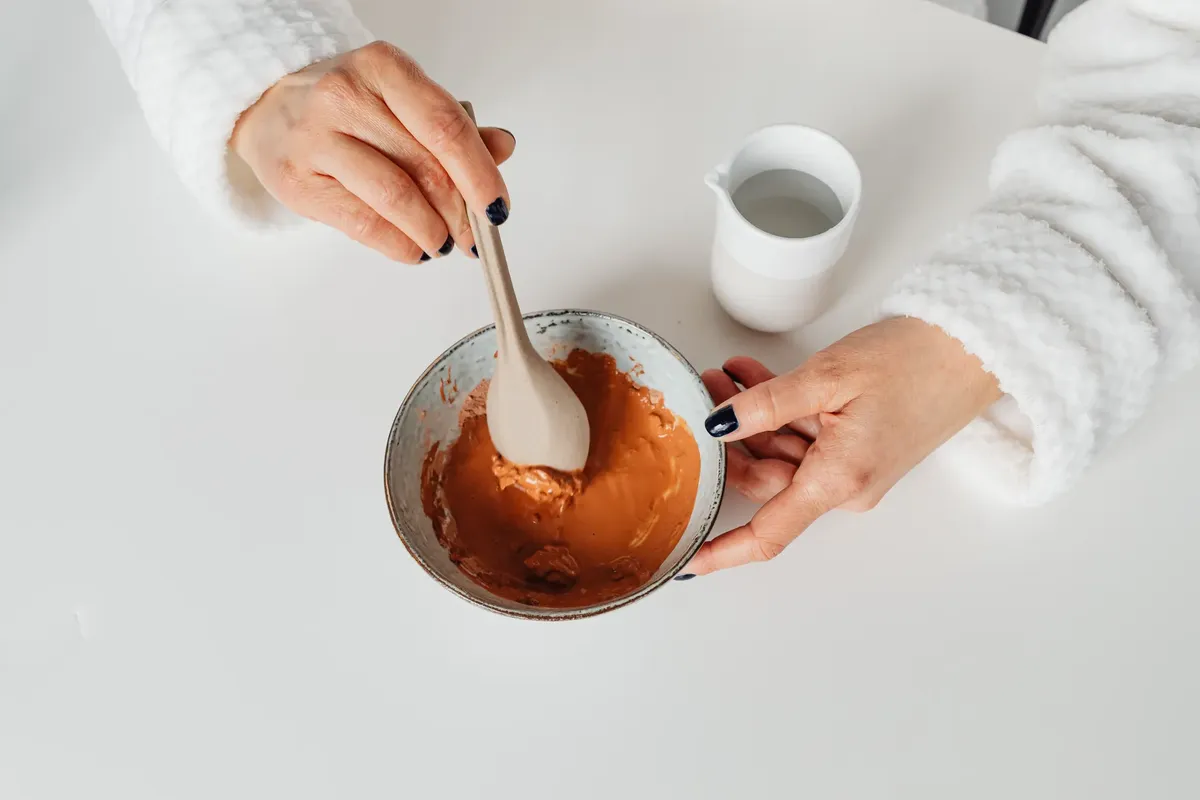
Sitting at a vanity with several open jars, I carefully consider which formula to use based on my skin's sensitivity that morning. Choosing skincare ingredients requires a balance between addressing concerns and maintaining the skin's natural barrier.
You should look for ingredients that complement your existing skin condition without causing unnecessary inflammation. For example, someone with dry skin might prioritize humectants like hyaluronic acid, whereas someone with oily skin might look for lightweight, non-comedogenic oils.
Always match the ingredient's function to your skin's current state to avoid over-treating or causing breakouts.
Understanding active ingredients
A shelf full of various bottles can be overwhelming without a method to categorize them. Understanding active ingredients involves recognizing that some substances are meant to be powerful and transformative, while others are meant to be soothing.
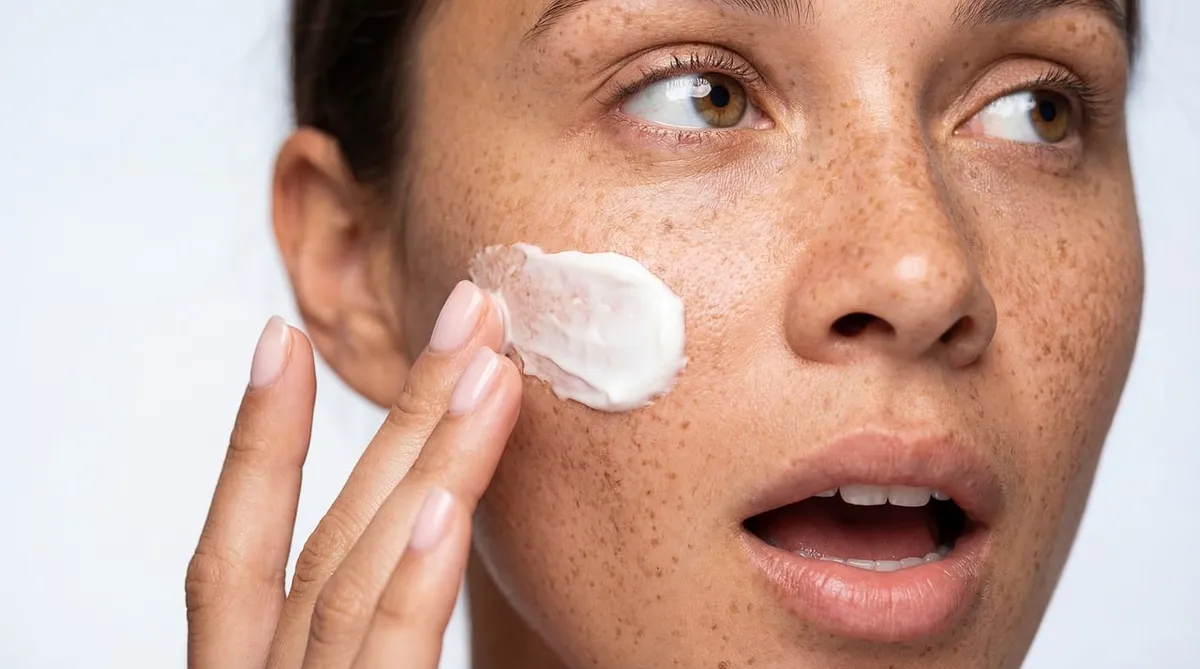
Active ingredients are the "workers" in your bottles, such as retinoids for renewal or vitamin C for brightening. Because these can be potent, they often require specific timing or careful application to prevent irritation.
You must distinguish between those that work overnight and those meant for daytime protection.
Comparing skincare components
A tray holds two different serums: one clear and watery, the other thick and milky. Comparing skincare components helps you understand why one might be better for morning use and another for night.
| Component Type | Primary Function | Application Timing |
|---|---|---|
| Water-based Serums | Rapid absorption and hydration | Morning or Night |
| Oil-based Creams | Moisture retention and barrier support | Primarily Night |
When you are comparing skincare components, you are essentially looking at the delivery system and the concentration of the active matter. Some components are designed to be highly stable and fast-acting, while others are more gradual.
Best ingredient combinations
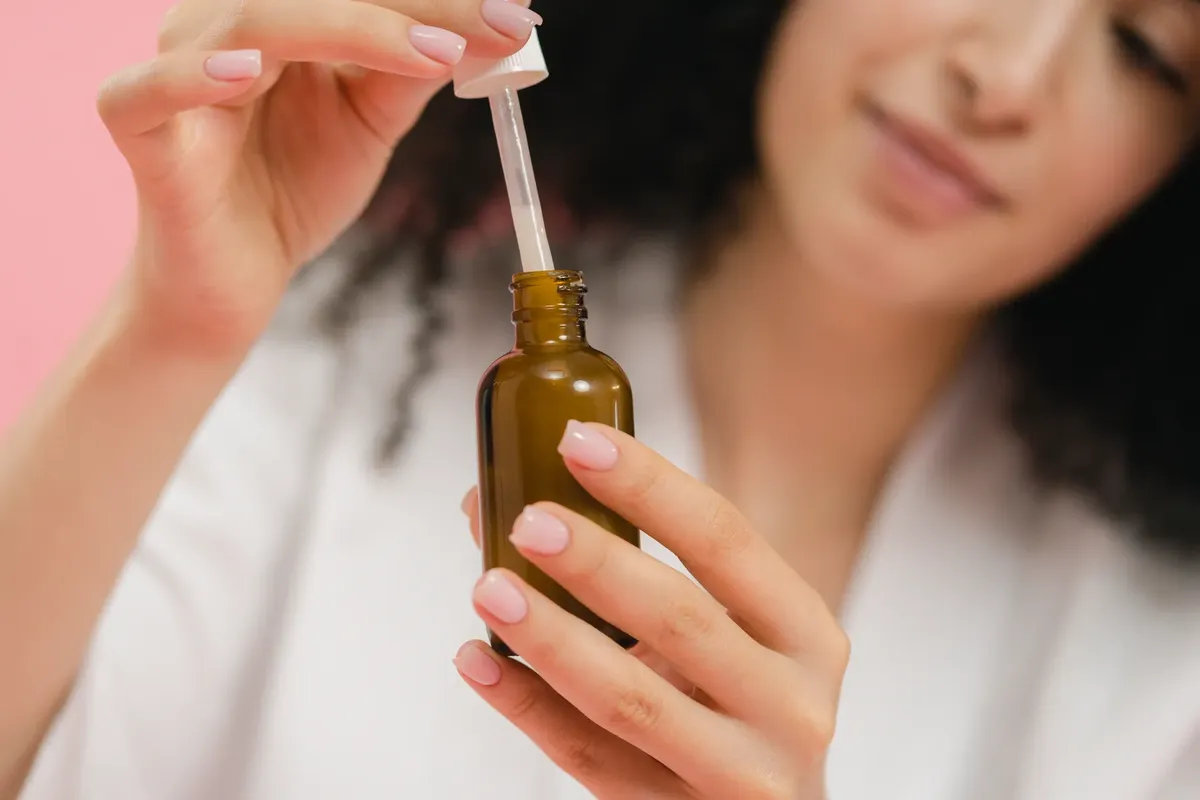
Mixing two powerful acids in the same session can lead to redness and peeling. Finding the best ingredient combinations is about synergy—choosing ingredients that enhance each other's performance.
For instance, combining a hydrating ingredient with a protective lipid can create a more resilient skin barrier. Conversely, you must avoid combining ingredients that might cancel each other out or cause severe irritation.
Learning which elements work in harmony ensures you get the most out of your regimen without compromising skin health.
Related
- Skincare routine by skin type: Why observe skin after wash
- Niacinamide seasonal skincare routine guide to calm redness
How does product viscosity affect application? Viscosity determines how a product, such as a single bottle of serum, will feel and how effectively it will be absorbed by the skin. When you layer products, the consistency of each component must be considered to ensure the subsequent product can penetrate properly. Thinner, more watery essences are designed to spread easily and absorb rapidly, making them ideal for initial application. Conversely, thicker, oil-based creams are formulated to sit on the surface, providing a protective barrier and moisture retention, which is best applied last. This understanding of viscosity allows you to layer products from thinnest to thickest, maximizing the delivery of active matter before sealing it in.
What is the difference between soothing and transformative ingredients? Soothing ingredients are designed to maintain the skin's natural barrier and reduce discomfort, whereas transformative ingredients are meant to induce powerful renewal or brightening. Active ingredients, like retinoids, are transformative because they work to renew skin cells, but they also require careful application to prevent irritation. Soothing components, such as certain humectants, complement the existing skin condition by providing hydration without causing unnecessary inflammation. Recognizing this difference helps you match the ingredient's function to your skin's current state, ensuring that the single bottle of serum you choose addresses the core issue without over-treating it.
When should I be cautious about potent ingredients? Caution is warranted when utilizing active ingredients that are powerful and transformative, as these substances can have significant effects on the skin. Because potent ingredients can cause irritation, they often require specific timing or careful application to prevent adverse reactions. You must distinguish between those components meant for daytime protection and those that are designed to work overnight. For instance, combining two powerful acids in the same session is a condition that can lead to redness and peeling, necessitating a cautious approach to ingredient combinations. A careful understanding of the ingredient's potential potency is key to safely integrating a new product into your routine.
How do I select the right ingredient for my skin type? Selecting the right ingredient involves balancing the need to address specific concerns with the necessity of maintaining the skin's natural barrier. For dry skin, the condition might require prioritizing humectants like hyaluronic acid to draw in moisture. In contrast, someone with oily skin might need to look for lightweight, non-comedogenic oils to prevent breakouts. The choice of ingredient must always align with the skin's current state, ensuring that the single bottle of serum complements the existing condition rather than aggravating it. This strategic matching prevents the waste of expensive products and avoids causing unnecessary inflammation.
Disclaimer: This article is general information, not medical advice. Consult a qualified healthcare professional before taking any supplement or medication.



Comments 0