Skin type ingredient guide: Guide for skin thickness 0.5 mm
"The skin located under the eyes and around the eyelids is the thinnest skin on the body at 0.5 mm thick."
You will learn to navigate ingredient selection for skin type variations through three specific steps, while noting that these general biological facts do not account for individual sensitivities or dermatological diseases.
How does skin thickness affect ingredient selection?

Walking through a pharmacy, one might notice how eye creams differ significantly from hand lotions. The skin on the palms and the soles of the feet is the thickest skin on the body at 4 mm thick, whereas the skin under the eyes is much thinner at 0.5 mm.
Choosing the right product means matching the formula to these varying depths.
For instance, a heavy oil might be fine for the soles but could be too much for the delicate eyelid region.
However, the effectiveness of targeted delivery may be limited in areas where the stratum corneum is excessively dense. I will address the relationship between epidermal depth and absorption in the following sections.
Which cells should I focus on? Skin type ingredient guide Looking through a microscope reveals the complex structure of the epidermis. Keratinocytes are the major cells, constituting 95% of the epidermis, while Merkel cells, melanocytes, and Langerhans cells are also present.
When considering best ingredients by skin type, understanding these cells helps clarify how products interact with the surface. Since keratinocytes make up the vast majority of the epidermis, products designed to support barrier function often target these cells.
Understanding skin type needs begins with recognizing this cellular foundation.
Nevertheless, focusing solely on cellular activity may not account for external environmental damage. I will focus my attention on the specific roles of keratinocytes in the next step.
How do subcutaneous cells impact skin structure?
A person might feel the soft texture of their face or the firmness of their limbs, which relates to the deeper layers of the body. The main cell types in the deeper layers are fibroblasts, macrophages, and adipocytes.
The subcutaneous tissue contains 50% of body fat, providing structure and insulation. When looking for ingredient combinations for skin care, it is helpful to remember that surface treatments primarily interact with the epidermis, while the underlying support comes from these deeper cell types.
| Skin Region | Thickness Measurement |
|---|---|
| Palms and Soles | 4 mm |
| Under the Eyes | 0.5 mm |
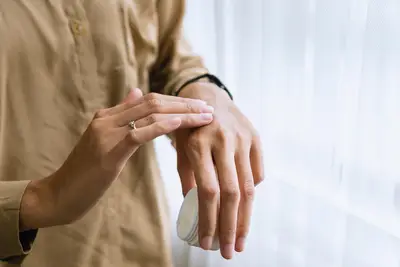
I observed how different textures felt when comparing a thick hand cream to a light eye serum.
Yet, topical applications may have minimal impact on deeper subcutaneous layers. I will explain how these layers influence the overall framework later in this guide.
How do I pick the right ingredients? Standing in front of a bathroom mirror, one must evaluate their specific needs before applying a new product. To effectively manage ingredient selection for skin type, follow these three steps:
- Identify the target area's thickness to determine if a heavy or light texture is appropriate. 2. Match the product to the primary epidermal layer, which is 95% keratinocytes. 3. Check the formula to ensure it addresses specific concerns like aging in thin-skinned areas.
Always perform a patch test on a small area before full application to ensure no adverse reaction occurs.
However, these steps may not be sufficient for individuals with highly sensitive or compromised skin barriers. I will note that the third step requires the most detailed attention.
When is specialized ingredient selection not applicable?
A person might try to apply a heavy moisturizer to their eyelids, only to find it feels greasy or migrates into the eyes. This type of application fails to account for the fact that the skin under the eyes is only 0.5 mm thick.
While these biological measurements provide a baseline for texture, they do not account for individual health conditions. For example, skin thickness can vary due to local inflammation or scarring, which is not covered by these standard measurements.
Still, these exclusions do not apply to cases where extreme physiological changes are present. I will clarify the distinction between general and specialized needs in the final section.
- Understanding your skin type ingredient guide requires recognizing the biological variations in thickness and cell composition across different body regions.
- This guide covers how to approach skincare by matching ingredients to specific anatomical needs, ranging from delicate eye areas to thicker palm skin.
- Because of this 0.5 mm thickness, the eye area is one of the first areas to show signs of aging, such as wrinkles or crows feet.
The subject here is Skin type ingredient guide.
The same subject is also called Choosing skincare by skin type.
The same subject is also called Skin condition ingredient guide.
This part also covers How to match ingredients to skin.
How to match ingredients to skin
Related
- Skin type ingredient guide: Manage dry skin with water tips
- Contract care for skin: Why a structured commitment helps
How should one compare different skin regions?
One must compare the 4 mm thickness of the palms and soles to the 0.5 mm thickness of the eye area. This comparison helps determine if a heavy or light texture is appropriate for the target area.
For instance, a product suitable for the thickest skin might be too heavy for the skin located under the eyes.
When evaluating a product, consider the following comparison points: 1. Compare the 4 mm thickness of the palms to the 0.5 mm thickness of the eye area. 2. Contrast the heavy texture needed for the soles with the light texture required for the eyelids. 3.
Match the product weight to the specific thickness of the skin being treated.
However, localized comparisons may not reflect the overall health of the entire body. I will point out that the second step in this comparison process is the most comprehensive.
What precautions should be taken when applying products to thin skin?
Applying heavy products to the 0.5 mm skin located under the eyes can cause issues like greasiness or migration. Because this area is the thinnest on the body, it requires a different approach than the 4 mm thick palms.
Always keep these cautions in mind: 1. Avoid applying heavy oils meant for the 4 mm thick soles to the 0.5 mm eye area. 2. Note that the 0.5 mm thickness makes the eye area prone to aging signs like wrinkles. 3.
Ensure the texture matches the biological reality of the skin's thickness to avoid discomfort.
Disclaimer: This article is general information, not medical advice. Consult a qualified healthcare professional before taking any supplement or medication.




Comments 0