Skin elasticity loss prevention: Guide to skin turgor
"The skin located under the eyes and around the eyelids is the thinnest skin on the body at 0.5 mm thick and is one of the first areas to show signs of aging such as 'crows feet' and wrinkles."
Maintaining skin elasticity requires careful hydration management to prevent the visible signs of aging. This guide covers how to check skin turgor, identifies signs of skin dehydration, and explores the best hydration for skin to improve skin firmness at home.
How does skin thickness affect aging signs?

A person gently presses the skin around the eyelid to observe the delicate texture. The skin located under the eyes and around the eyelids is the thinnest skin on the body at 0.5 mm thick.
Because this area is so thin, it is one of the first areas to show signs of aging such as "crows feet" and wrinkles. Understanding these structural differences helps in identifying where skin elasticity loss prevention efforts should be focused.
The thickness of the skin varies significantly across different parts of the body. For instance, the skin on the palms and the soles of the feet is the thickest skin on the body at 4 mm thick.
In this sequence, the first point is the most critical.
What are the signs of skin dehydration? Skin elasticity loss prevention
A hand reaches for a glass of water while looking at the fine lines on a face in a mirror. Identifying signs of skin dehydration is essential for maintaining a youthful appearance.
The epidermis is primarily composed of cells that maintain the skin's barrier. Keratinocytes are the major cells, constituting 95% of the epidermis, while Merkel cells, melanocytes and Langerhans cells are also present.
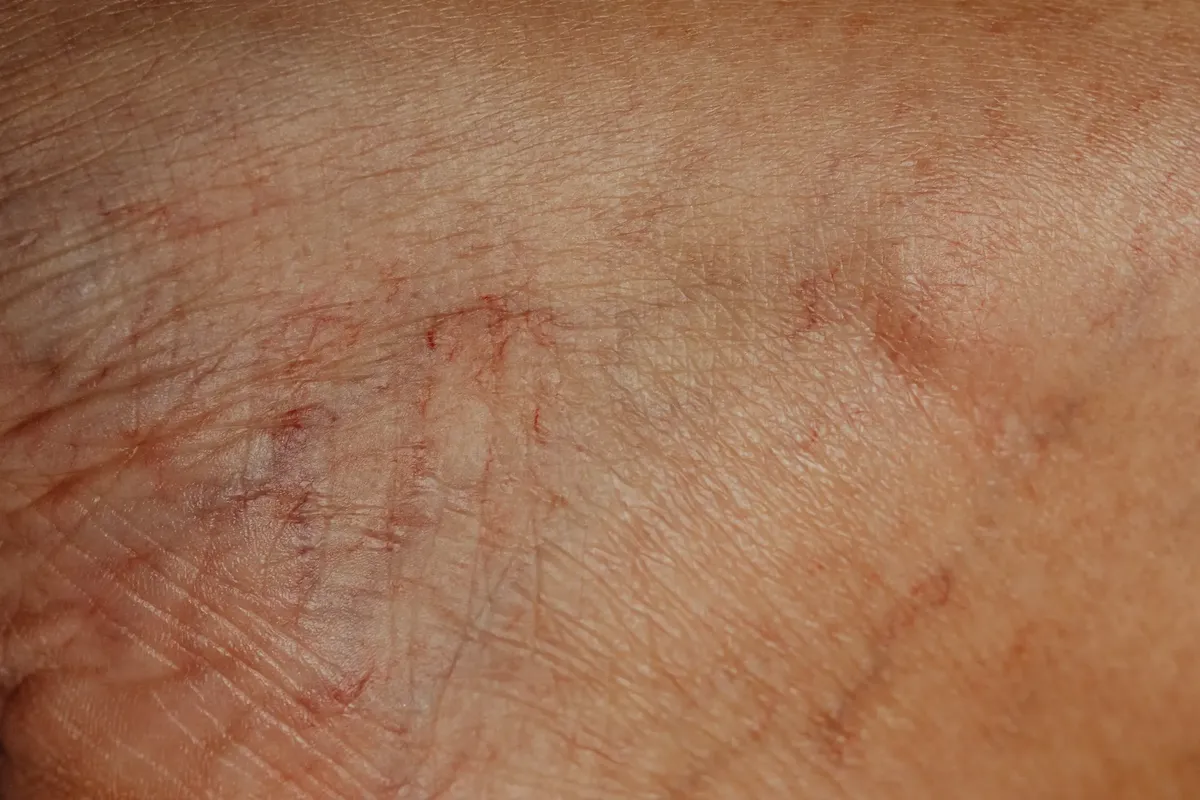
When these cells lack sufficient moisture, the skin may lose its ability to bounce back. This loss of resilience is a primary concern for those seeking to improve skin firmness at home.
How to check skin turgor effectively?
A finger pinches the skin on the back of a hand to see how quickly it returns to its original position. Testing skin elasticity simply involves checking how quickly the skin snaps back after being pinched.
While this manual check provides a visual cue, it is not a clinical diagnosis. It is a way to monitor how well the skin maintains its structure through hydration.
The subcutaneous tissue also plays a role in how the skin feels and moves. The main cell types in this layer are fibroblasts, macrophages and adipocytes, with the subcutaneous tissue containing 50% of body fat.
- Gently pinch a small section of skin on the back of your hand.
- Hold the skin in place for a few seconds.
- Release the skin and observe how quickly it returns to its original position.
What are the best hydration for skin strategies?
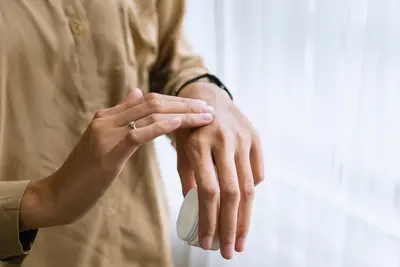
A person applies moisturizer to their face after a refreshing morning wash. Developing a daily routine for skin moisture is the most effective way to prevent premature aging.
| Skin Location | Thickness |
|---|---|
| Eyelids | 0.5 mm |
| Palms and Soles | 4 mm |

I noticed during my own routine that the thinness of the eyelid area makes it much more sensitive to moisture changes than the palms. Finding the right balance is key to managing skin elasticity loss prevention.
How can we manage hydration in different life stages?
An elderly person sits in a chair, appearing slightly fatigued. Hydration disturbances are common in old age, with reported prevalence ranging from 19% to 89% depending on the definition and the population.
In certain clinical contexts, such as admission examinations of older patients, 19% of patients were diagnosed with dehydration based on the blood urea nitrogen to creatinine (BUN/Cr) ratio. This highlights the importance of monitoring fluid levels.
In specific environments, such as nursing homes, hypertonic dehydration was determined based on elevated serum osmolality in 89% of residents. Monitoring these levels is vital for health.
How to maintain skin elasticity at home?
A person follows a consistent skincare regimen every morning and evening. To improve skin firmness at home, one must focus on consistent moisture levels and protection of the epidermis.
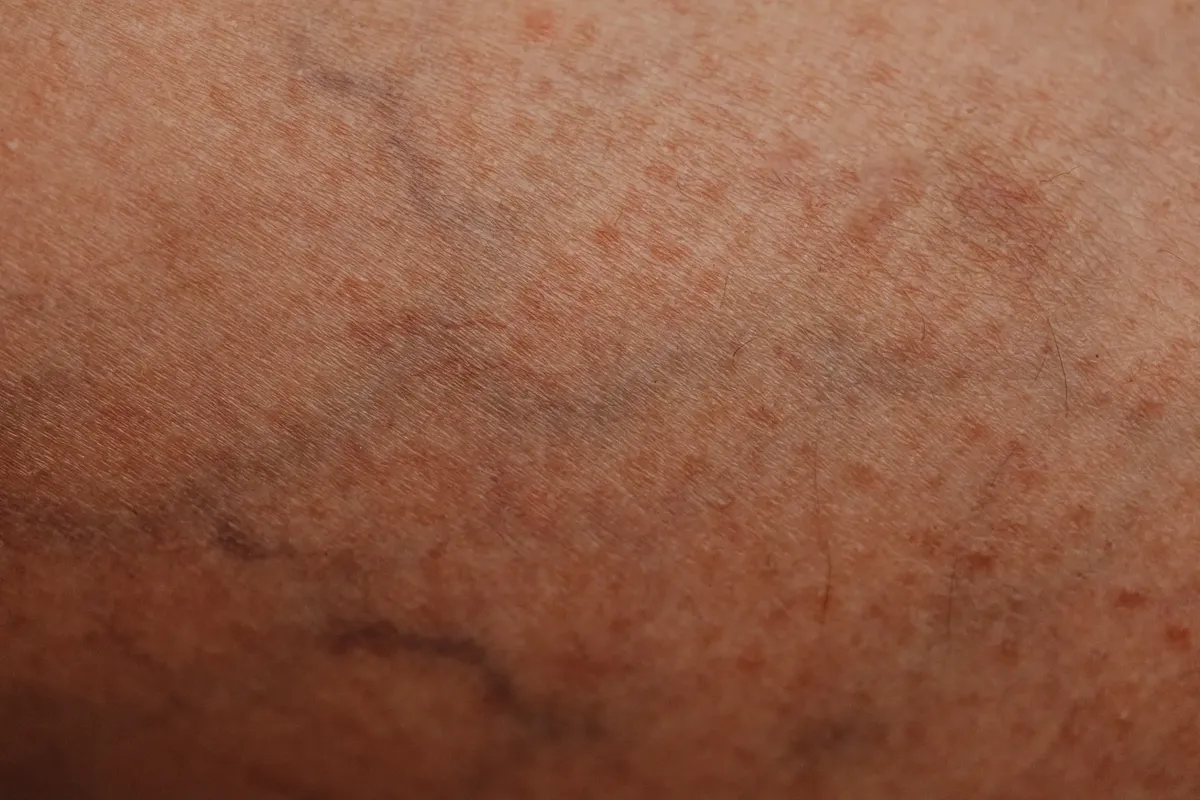
- Apply moisturizing agents to thin areas like the eyelids to protect the 0.5 mm skin layer. 2. Monitor the skin's snap-back ability through regular manual checks. 3. Ensure adequate internal fluid intake to support the cellular structure of the epidermis.
A final check involves observing if the skin returns to its natural state immediately after a pinch. This simple check helps in understanding the current state of skin moisture.
This part also covers Hydration tips for youthful skin.
Daily routine for skin moisture
Related
- Dry Skin Guide: How to Balance Moisture and Lipid Barriers
- Cosmetics Safety: Avoiding Legal Risks After Product Launch
When is manual skin assessment insufficient? Manual skin assessment is insufficient when a definitive medical diagnosis is required. The manual check only offers a visual cue regarding how well the skin maintains its structure through hydration. This assessment cannot substitute for a professional clinical diagnosis.
How does skin composition relate to aging sensitivity? The epidermis, which is composed of cells maintaining the skin's barrier, exhibits different sensitivities across the body. Keratinocytes constitute the majority of the epidermis, but the presence of Merkel cells, melanocytes and Langerhans cells influences the skin's response to moisture.
The subcutaneous tissue, containing fibroblasts, macrophages and adipocytes, contributes to the overall feel of the skin. This layer, which holds a significant amount of body fat, interacts with the thinner overlying skin.
Maintaining skin elasticity requires careful hydration management because the skin located under the eyes and around the eyelids is notably thin.
What factors influence skin resilience? 1. The composition of the epidermis dictates its barrier function, which is crucial for retaining moisture. 2. The presence of specific cells, such as keratinocytes, Merkel cells, melanocytes and Langerhans cells, affects how the skin responds to hydration levels. 3. The underlying subcutaneous tissue, which includes fibroblasts, macrophages and adipocytes, contributes to the overall feel and movement of the skin.
The subcutaneous tissue holds a substantial portion of body fat, which affects the support structure beneath the skin. This layer interacts directly with the thinner skin found in delicate areas.
Maintaining skin elasticity requires careful hydration management because the skin located under the eyes and around the eyelids is notably thin and susceptible to moisture variations.
Disclaimer: This article is general information, not medical advice. Consult a qualified healthcare professional before taking any supplement or medication.




Comments 0