Skincare routine by skin type: Tips for thin skin at 0.5 mm
"The skin located under the eyes and around the eyelids is the thinnest skin on the body at 0.5 mm thick."
Choosing a skincare routine by skin type requires understanding the unique thickness and cellular composition of different areas.
This guide covers how to select products based on varying skin depths, identifies the major cells in the epidermis, and addresses the limitations of universal products for sensitive areas.
How to select a skincare routine by skin type?

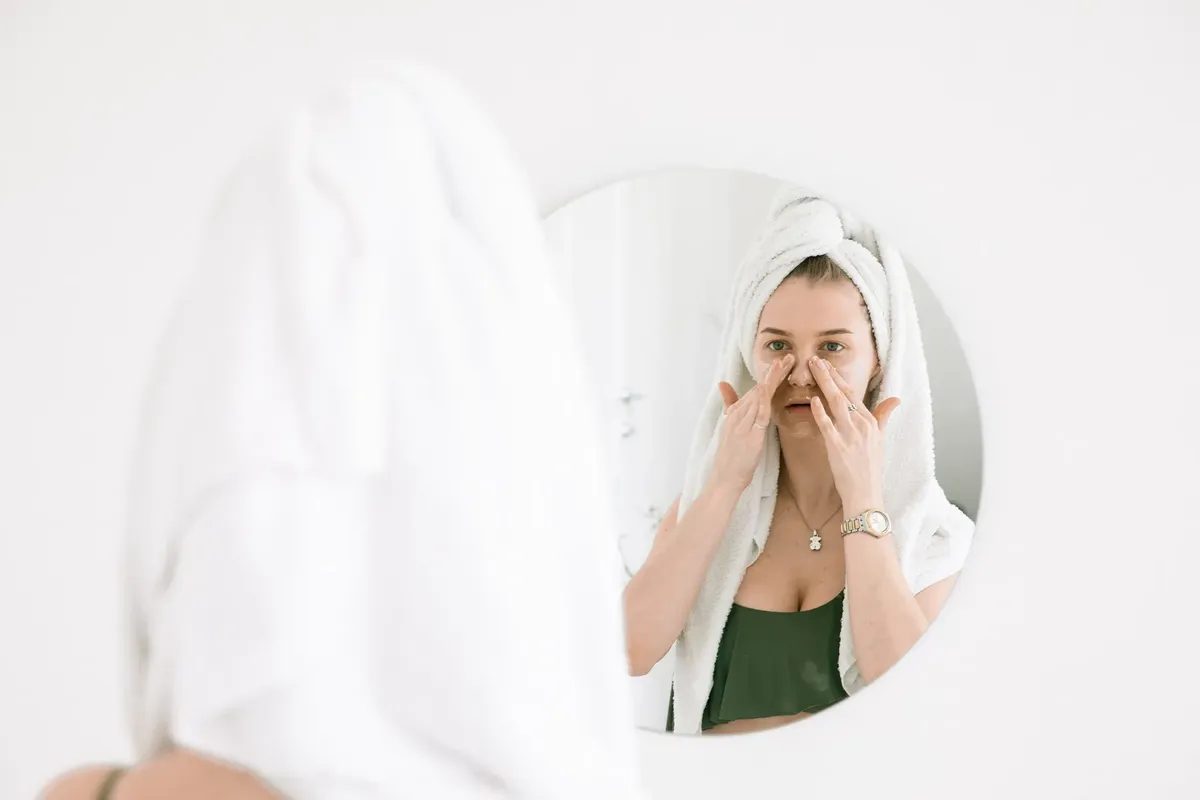
In the quiet morning light of the bathroom, she gently brushes her fingertips against her cheek to contemplate her unique skincare needs.
A person stands before a bathroom mirror, gently touching the delicate area around their eyes. Selecting the right products involves recognizing that the skin thickness varies significantly across the body.
The epidermis relies heavily on specific cells to maintain its structure and barrier. Keratinocytes are the major cells, constituting 95% of the epidermis, while Merkel cells, melanocytes, and Langerhans cells are also present.
Understanding these layers helps in choosing a morning routine for skin type variations.
How to handle thin skin areas?
A person applies a lightweight moisturizer to the delicate area around their eyes. This area requires specific attention because the skin located under the eyes and around the eyelids is the thinnest skin on the body at 0.5 mm thick.
Because of this thinness, the eye area is one of the first areas to show signs of aging such as "crows feet" and wrinkles. Finding the best morning care by this skin thickness is essential to prevent premature aging.
How to manage thick skin areas?
A person rubs a heavy cream into the palms of their hands. The skin on the palms and the soles of the feet is the thickest skin on the body at 4 mm thick.
Treating these areas requires a different approach than the face. Matching routine to skin needs means using more robust products for these 4 mm thick regions.
How to choose skincare ingredients?
A person examines the label of a serum, looking for active ingredients. Selecting specific ingredients is the key to a successful skincare routine by skin type.
| Skin Region | Thickness |
|---|---|
| Under the eyes | 0.5 mm |
| Palms and soles | 4 mm |
I noticed how much more delicate the eye area felt compared to my hands during my own morning application. Ingredient selection for morning routines must account for these drastic differences in thickness.
What are the steps for a morning routine?
A person prepares their vanity with various bottles and jars. Effective skin condition morning steps follow a logical sequence to protect the epidermis.
- Cleanse the skin to remove overnight buildup. 2. Apply targeted treatments to specific areas, like the 0.5 mm thick eye area. 3. Apply moisturizer or sunscreen to protect the 95% keratinocyte-dominated epidermis.
Always perform a final check to ensure products are appropriate for the specific thickness of the area being treated.
How to pick morning products?
A person compares two different textures of cream. Picking the right product depends on the specific needs of the skin's cellular structure.

The primary goal is to support the keratinocytes that make up 95% of the epidermis. How to pick morning products effectively involves balancing hydration with protection. Skin-specific needs vary from the 0.5 mm eyelid skin to the 4 mm thick soles of the feet.
- How to select a skincare routine by skin type?
- How to handle thin skin areas?
- How to manage thick skin areas?
The same subject is also called Best morning care by skin.
The same subject is also called Choosing skincare ingredients.
Related
Why does thickness affect product choice?
Product selection must account for the fact that the skin located under the eyes is only 0.5 mm thick. This thinness creates a condition where the 95% keratinocyte-dominated epidermis is more vulnerable than the 4 mm thick skin on the palms.
When comparing the eye area to the palms, the 0.5 mm thickness requires a different approach than the 4 mm thickness. A person should avoid using heavy creams meant for the 4 mm thick soles on the 0.5 mm eyelid skin.
Using products designed for thicker regions on the thinnest skin could cause irritation due to the 0.5 mm thickness.
What precautions should be taken?
Precautions involve recognizing the difference between the 0.5 mm eye area and the 4 mm palms. A person must ensure that the moisturizer applied to the 0.5 mm area is suitable for such thin skin. Using a product intended for the 4 mm thick palms on the 0.5 mm skin could be problematic.
Always match the product to the specific thickness, whether it is 0.5 mm or 4 mm.
Is the 0.5 mm thickness a concern?
Yes, the 0.5 mm thickness of the skin located under the eyes requires specific care. Because the skin is only 0.5 mm thick, it is much more sensitive than the 4 mm thick skin on the palms.
When a person applies products, they must compare the 0.5 mm area to the 4 mm area. Using a heavy cream intended for 4 mm thick skin on the 0.5 mm area could lead to issues. The 95% keratinocyte-dominated epidermis in the 0.5 mm region is more vulnerable than the 4 mm thick skin on the palms.
How to compare skin regions?
Comparing the 0.5 mm eye area to the 4 mm palms helps in selecting the right products. A person must recognize that the 0.5 mm thickness is significantly different from the 4 mm thickness.
- Identify the thickness of the area, such as the 0.5 mm eye area or the 4 mm palms. 2. Match the product to the specific thickness to avoid using 4 mm products on 0.5 mm skin. 3. Ensure the 95% keratinocyte-dominated epidermis is protected according to its unique thickness.
What cellular components are involved in skin health? Keratinocytes, the major cells constituting 95% of the epidermis, maintain the skin's structure. Merkel cells, melanocytes, and Langerhans cells also contribute to the epidermis's function. Understanding these cells informs the choice of skincare products for different skin regions.
When should product application be adjusted? Product application should be adjusted when the skin's thickness changes across the body. For instance, the 0.5 mm skin located under the eyes demands a different treatment than the 4 mm skin on the soles of the feet. This adjustment ensures the 95% keratinocyte-dominated epidermis receives appropriate care.
When comparing the skin located under the eyes to the palms, the difference in thickness dictates product selection. A person must recognize that the 0.5 mm thickness presents a unique vulnerability compared to the 4 mm thickness. This comparison guides the necessary modifications in a morning routine.




Comments 0