Antioxidants guide Morning routine by skin type
"The key to a successful morning routine is not about using the most products, but about applying the right active ingredients in a way that respects your unique skin barrier."
A successful morning routine by skin type requires balancing active ingredients like antioxidants with soothing agents to protect against environmental stressors. This guide covers cleansing, antioxidant application, and barrier support to ensure healthy skin throughout the day.
Key takeaways include using Vitamin C for brightening, applying niacinamide to calm redness, and understanding that results from active ingredients typically require several weeks to manifest.
How do I start my morning routine by skin type?

Standing before a bathroom mirror with lukewarm water ready, one must decide between a deep cleanse or a gentle rinse. For many, the morning begins with a 30–60 second massage of cleanser to ensure even distribution before rinsing with lukewarm water.
This gentle action prepares the surface for subsequent layers without stripping necessary oils.
A proper morning routine by skin type starts with a clean canvas to allow for effective absorption of active ingredients. According to the American Academy of Dermatology, between 40 and 50 million Americans develop acne each year, making gentle cleansing vital to prevent clogged pores.
Using lukewarm water during the massage phase helps loosen impurities without causing sudden temperature-related irritation.
However, these suggestions may not be suitable if you have highly sensitive skin or specific medical conditions. I focus on the initial steps of matching products to your unique skin needs.
How should I apply antioxidants? While standing in the bright morning light, I press the cool serum into my cheeks to distribute the antioxidants evenly.
Holding a small dropper of serum, the user carefully presses the liquid into the skin to maximize absorption. Using antioxidants can help brighten the complexion and provide a defense against pollution and UV exposure. Selecting the right derivative is essential for the effectiveness of this step.
To optimize an acidity wash routine, one should select Vitamin C based on skin sensitivity. L-ascorbic acid at 10–15% is suitable for normal or oily skin, while THD ascorbate or sodium ascorbyl phosphate is better for sensitive types.
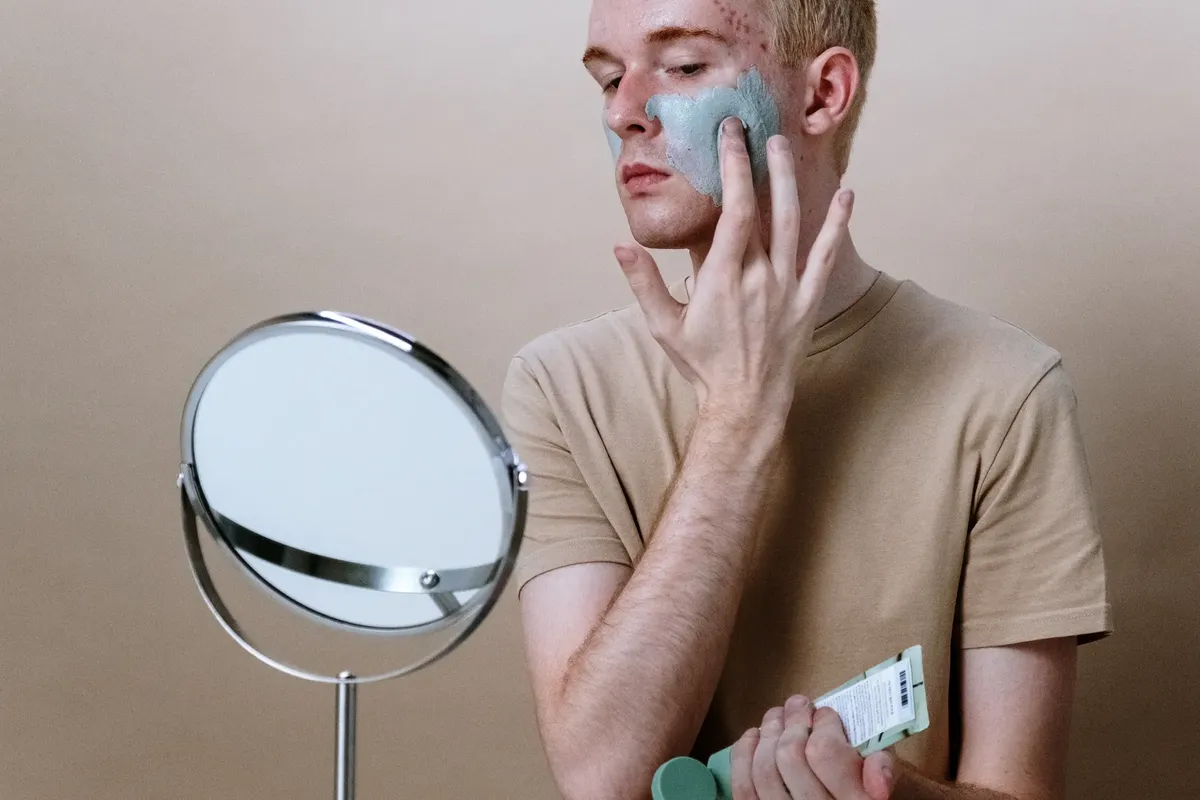
Applying these antioxidants first helps defend the skin against environmental damage throughout the day.
Note that effectiveness may vary depending on the concentration and stability of the specific formula used. I emphasize the importance of the application technique in this section.
How can I manage redness and barrier health?
Applying a soothing cream to a flushed face requires a delicate touch to avoid further irritation. Niacinamide serves as a versatile tool for those needing to calm redness while supporting the skin barrier. This step provides a bridge between active treatments and moisturizing layers.
A skin barrier morning care strategy often involves using niacinamide at a concentration of 2–5% to calm redness and support the barrier. For those dealing with uneven tone, azelaic acid (10–15%) can be used as it targets redness and is generally retinoid-friendly.
Pairing niacinamide with other actives can help reduce overall irritation during the day.
This approach is not intended for treating severe inflammatory skin conditions that require medical intervention. I address the balance between soothing and protecting the skin here.
How do I follow a moisturizing routine? Reaching for a moisturizer after serums, the user smooths the product over the face to seal in hydration. This step is crucial for maintaining the skin's moisture levels and preventing trans-epidermal water loss. A well-layered routine ensures that the skin remains supple under makeup or sunscreen.
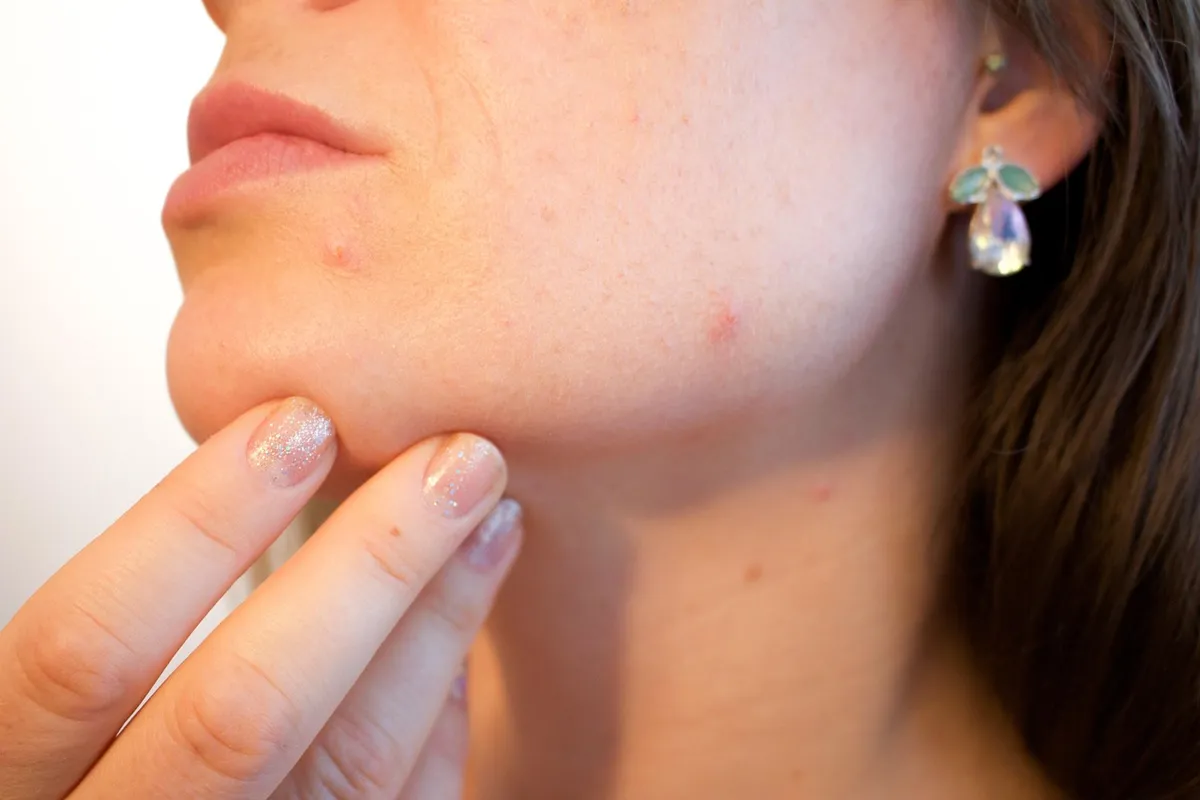
A proper moisturizing routine guide involves layering products based on their consistency. For example, one might apply vitamin C (L-ascorbic 10–15% or gentler derivatives for sensitive skin), then niacinamide 2–5% to support the barrier and calm redness.
This sequence helps maintain hydration while addressing specific skin concerns.
These steps might not apply to individuals with extremely oily skin types who require minimal hydration. I outline the layering process in this guide.
How do I handle active breakouts during the day?
Looking closely in the mirror at a sudden blemish, the user selects a targeted treatment to address the spot. Spot care requires precision to ensure the active ingredient reaches the intended area without drying out the surrounding skin.
This targeted approach allows for treatment without disrupting the entire face.
For those experiencing active breakouts, spot care with 2% salicylic acid or 2.5–5% benzoyl peroxide can be used as a short-contact or leave-on treatment. It is important to introduce actives one at a time, every 2–3 weeks, to monitor how the skin reacts.
This controlled approach helps prevent widespread irritation from concentrated treatments.
These methods are not a substitute for professional dermatological treatment for cystic acne. I detail the specific actions to take when blemishes appear.
When can I expect to see results from my routine?
Checking the skin in the morning light, one might wonder if the recent changes in products are making a difference. Skin transformation is a gradual process that requires patience and consistency over several weeks. Understanding the timeline helps manage expectations during the adjustment period.
| Goal | Expected Timeline |
|---|---|
| Hydration and reduced oiliness | 2–4 weeks |
| Clearer pores and fewer breakouts | 4–6 weeks |

Wait times for significant changes vary depending on the ingredient used. One can expect 2–4 weeks for hydration and reduced oiliness, 4–6 weeks for clearer pores and fewer breakouts, and 8–12 weeks for tone and fine-line improvements from retinoids and vitamin C.
If "purging" lasts beyond 6–8 weeks or occurs outside oilier zones, this may be irritation rather than progress.
Individual timelines will differ based on your skin's unique biological response and consistency. I discuss the timing of visible changes in this final part.
Related
- Skin type moisturizing routine: 90% sun exposure risks
- 30 Minute Skin Assessment Cleanser choice by skin type
What conditions signal a successful morning routine? 1. A successful morning routine should leave the skin feeling balanced, not tight or overly slick. 2. Observing reduced redness indicates that the barrier support steps are effectively calming inflammation. 3. Noticeable improvement in skin texture suggests the active ingredients are working to refine the surface over time.
When evaluating the success of your morning routine, consider the skin's overall comfort level. If the skin feels comfortable after the entire sequence, it suggests the active ingredients are being tolerated well.
A successful morning routine aims for resilience against daily environmental challenges.
Consistency in applying the right active ingredients is the primary indicator of a successful morning routine. Even if immediate changes are not visible, adhering to the routine allows the skin time to adapt to the new regimen.
This dedication to the process is as important as the products themselves.
Disclaimer: This article is general information, not medical advice. Consult a qualified healthcare professional before taking any supplement or medication.



Comments 0