Head spa by skin type: Why observe skin after 30
"Your skin after cleansing tells you a lot. Wash your face with a gentle cleanser, pat it dry, and wait 30 minutes."
A personalized head spa by skin type begins with an accurate assessment of your scalp's current state after cleansing. You can identify your specific needs by observing how your skin reacts to moisture and environmental factors over a short waiting period.
Key takeaways: * Perform a cleansing test to observe skin reaction. * Use specific ingredients like antioxidants or niacinamide based on sensitivity. * Conduct patch tests before adopting new routines.
How can I identify my skin type for a head spa?
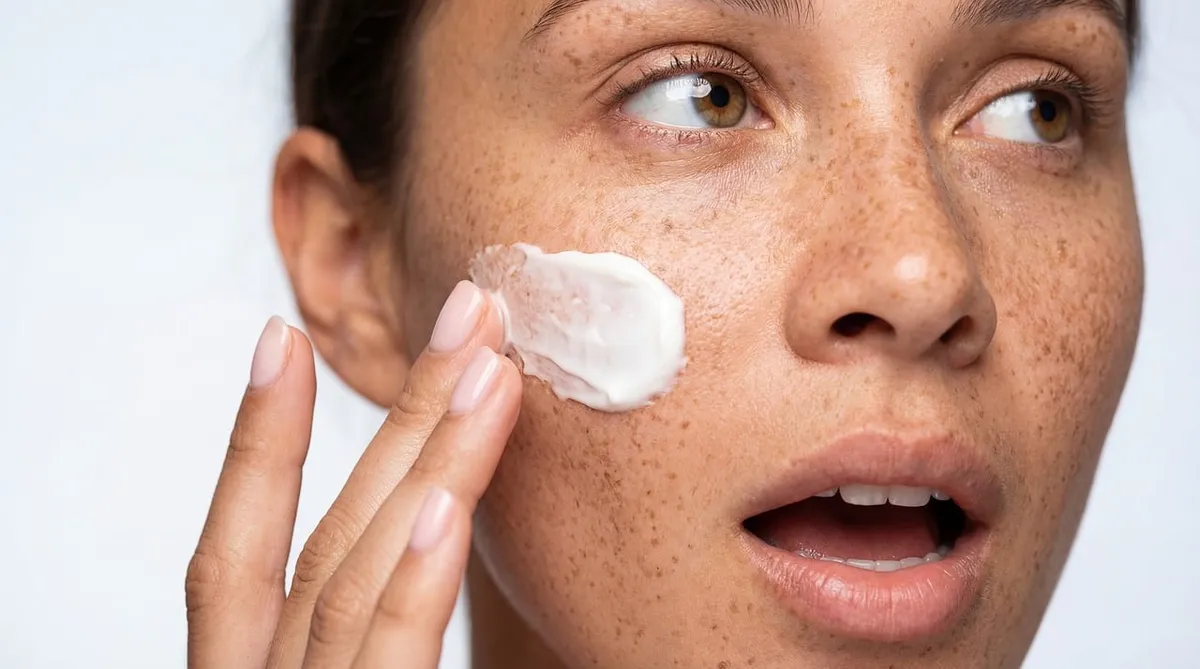
A person stands before a mirror, gently patting a freshly washed face with a soft towel. After waiting 30 minutes, the natural texture of the skin becomes apparent.
To establish a baseline, wash your face with a gentle cleanser and pat it dry. You must wait 30 minutes to see how the skin behaves without additional products. This observation helps you determine if you need more hydration or oil control.
This simple waiting period provides the essential data needed to select appropriate products. A well-timed observation ensures you do not misidentify oily skin for normal skin.
- Wash your hair and wait for one hour without applying any products.
- Observe if your scalp feels tight, oily, or flaky.
- Note any localized redness or irritation to determine sensitivity.
What are the best ingredients for a skin type head spa routine? Head spa by skin type
A stylist carefully selects a bottle of Vitamin C serum from a wooden shelf. They consider the specific needs of the client's scalp and skin barrier.
Choosing the right ingredients is vital for a successful skin type head spa routine. For those with normal or oily skin, Vitamin C in the form of L-ascorbic acid (10–15%) helps brighten and defend against pollution and UV damage.
For sensitive skin, look for THD ascorbate or sodium ascorbyl phosphate to achieve similar benefits without irritation. Niacinamide (2–5%) is another excellent option as it calms redness and supports the skin barrier.
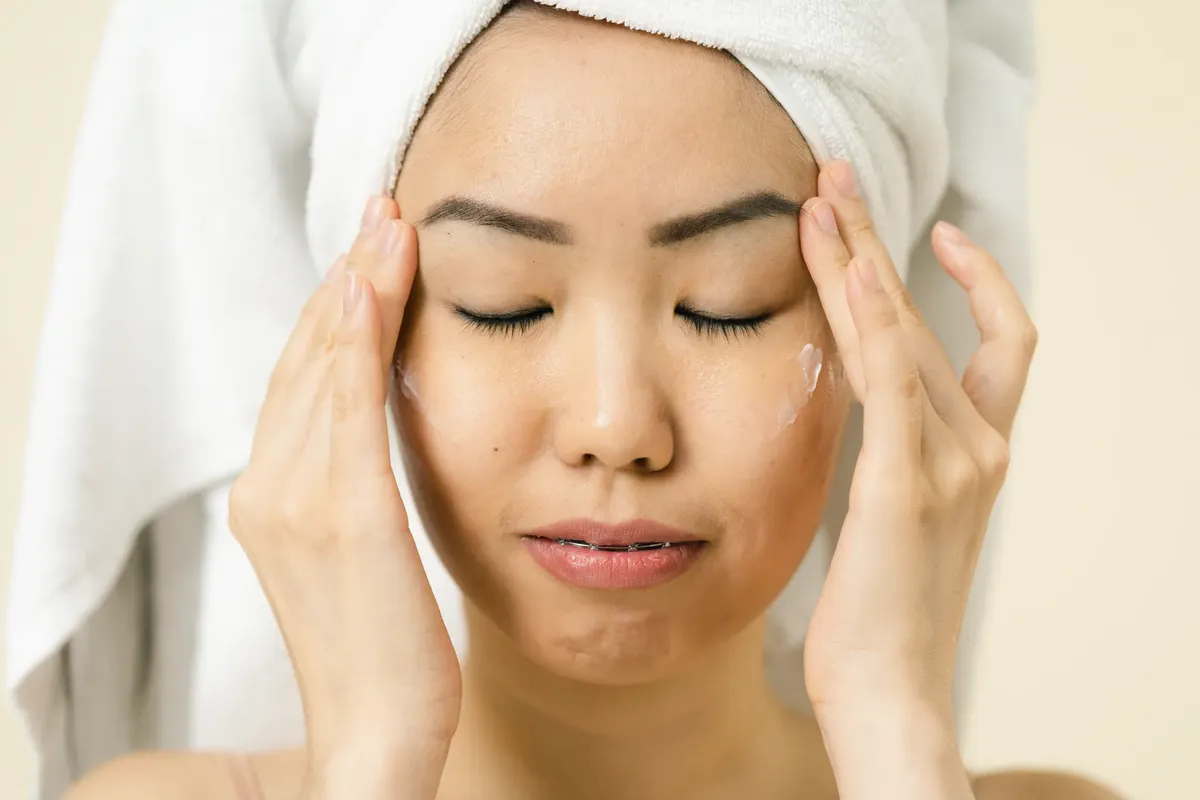
Selecting these targeted ingredients allows for a more effective treatment. Using the right concentrations ensures the scalp receives necessary nutrients without causing distress.
In this sequence, the second step is the most detailed.
How do I choose the best head spa for my skin?
A client sits in a comfortable chair, feeling the texture of a soothing cream. They wonder if the product will be too heavy or too light for their complexion.
Finding the best head spa for my skin requires understanding the balance of hydration and irritation. If you have very dry skin, similar to chapped cheeks or lips in the winter, you might benefit from thicker applications.
The American Academy of Dermatology notes that if you have really dry skin, you might try a thick ointment like petroleum jelly. This type of heavy moisture is useful for extremely dehydrated areas.
Avoid products that make unrealistic promises, such as looking 10 years younger in one week. Stick to science-backed ingredients that address your specific skin concerns.
How do I manage sensitive skin during treatments?
A professional gently applies a soothing gel to a client's neck to check for a reaction. The atmosphere is quiet and focused on careful application.
When managing sensitive skin, you must be cautious with additives. Fragrances are often very irritating for sensitive skin, so look for scent-free options.
If you are worried about how your skin might react to a new product, try testing it on a small patch of your face or neck for 24 hours before you use it all over. This prevents widespread irritation during a full treatment.

A customized head spa for different skin types prioritizes barrier protection. Using calming agents like niacinamide helps maintain a healthy skin environment.
What is the best way to apply products?
A person carefully waits for a serum to disappear into their skin before reaching for a moisturizer. The clock on the wall ticks quietly in the background.
According to the Trustworthy Source American Academy of Dermatology Professional, if you have really dry skin, such as chapped cheeks or lips in the winter, you should try a thick ointment like petroleum jelly.
Effective application involves patience and timing. After applying a treatment, let the moisturizer soak in for about 5 minutes before you move on to the next step.
This waiting period allows the ingredients to penetrate effectively. Moving too quickly can cause products to pill or slide off the skin.
A tailored scalp care guide emphasizes that absorption time is just as important as the product itself. Proper timing ensures that the active ingredients reach the intended layers.
How can I protect my scalp from aging?
A person applies a layer of sunscreen to their face while sitting near a bright window. They are mindful of the sun's impact on their skin.
Protecting the scalp is part of overall skin health. You should also pick products that have SPF in them, as aging skin is very prone to sun damage.
Using antioxidants helps defend against UV radiation. Combining SPF with antioxidants provides a dual layer of defense against environmental stressors.
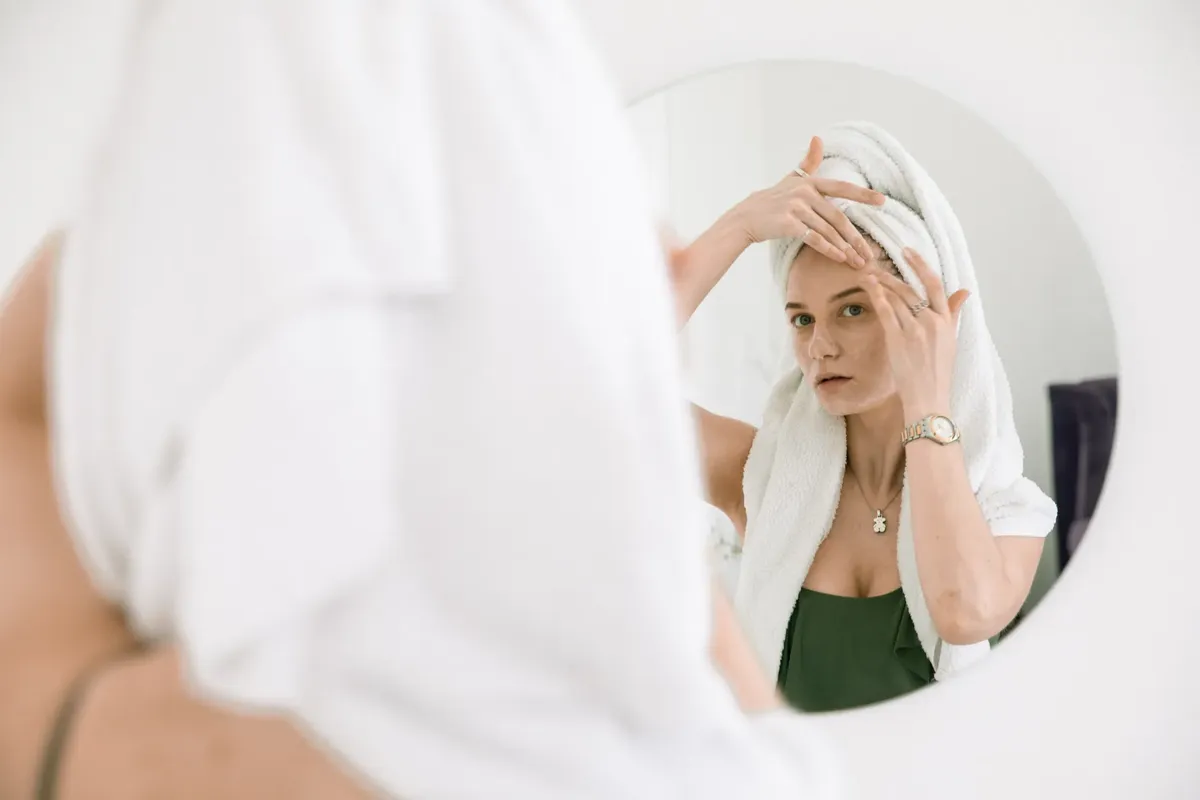
A head spa ingredient combinations strategy should always include sun protection for exposed areas. This proactive approach helps maintain skin integrity over time.
| Skin Condition | Recommended Ingredient/Action |
|---|---|
| Normal/Oily | Vitamin C (L-ascorbic acid 10–15%) |
| Sensitive | THD ascorbate or sodium ascorbyl phosphate |
I find that waiting 30 minutes after cleansing is the most helpful step for identifying my needs.
A limitation of this assessment is that it only reflects the skin's state at a single point in time, which may change due to weather or hormonal shifts.
The subject here is Head spa by skin type.
The same subject is also called Choosing head spa ingredients.
This part also covers How to pick head spa products.
How to pick head spa products
Related
- Dry Skin Evening routine by skin type: Tips for Moisture
- Skin type ingredient guide: Guide for skin thickness 0.5 mm
What should I watch out for during the waiting period? When observing your skin after cleansing, pay attention to how quickly it feels tight or excessively oily. A sudden increase in redness during this time suggests your skin may be sensitive to the cleansing process itself. If the skin feels unusually dry after the waiting period, it indicates a need for richer moisturizing steps in your routine. This observation guides the selection of subsequent treatments.
When should I re-evaluate my skin type? Because the skin's state can fluctuate based on external factors, you should re-evaluate your skin type periodically. Changes in weather patterns or shifts in your body's internal state can alter how your skin reacts to moisture. If your initial assessment seems inconsistent with your current feel, a repeat cleansing test is advisable.
The consistency of the skin after cleansing provides clues about its baseline health. A balanced skin type will generally maintain its texture without immediate signs of distress after the initial wait. This consistency is what allows for accurate ingredient selection.
Careful attention to the skin's response during the waiting period is crucial for effective treatment planning. This vigilance ensures that the chosen regimen supports the skin's natural equilibrium.




Comments 0