Skin type ingredient guide: Manage dry skin with water tips
"The protective layer of your skin is held together by fats that make up about 50% of your epidermis."
Effective skin care requires matching specific ingredients to your unique skin type to maintain the integrity of the epidermis. This guide covers essential application amounts for sun protection, managing irritation with dexpanthenol, and using drying agents appropriately.
You will learn how to handle dry skin, manage drying agents, and use proper sunscreen amounts.
How to manage dry skin with water?

A person stands before a bathroom mirror, turning the faucet to test the temperature of the water. Using lukewarm water, which is less than 37 °C (99 °F), is the proper way to wash dry skin daily.
Maintaining the skin's moisture is vital because about 50% of your epidermis is made up of fats that bind skin cells together. If you wash with water that is too hot, you risk stripping these essential fats. Keeping the water temperature below 37 °C (99 °F) helps preserve the protective layer.
A person gently pats their face with a towel after washing. To maintain a healthy routine, you should avoid hot water to prevent further dryness.
- Apply moisturizer to damp skin.
- Avoid hot water rinses.
- Use a humidifier in dry rooms.
What is the best way to use drying agents? Skin type ingredient guide
Late at night, I dab a tiny dot of cream onto my chin and feel a slight sting on my skin.
A user applies a small amount of cream to a specific spot on their chin. Benzoyl peroxide is a drying agent and is typically found in concentrations of 2.5% to 10%.
Using these products requires caution to avoid over-drying the skin. Because they act as drying agents, they should be applied precisely to the areas needing treatment. Overuse can disrupt the natural fat balance in the epidermis.
A person checks the label on a bottle of benzoyl peroxide. You should monitor how your skin reacts to these concentrations to prevent excessive irritation.
In this sequence, the second step is the longest.
How can I reduce skin irritation?
Someone applies a soothing lotion to a red patch on their arm. Using 2.5% or 5% dexpanthenol is known to reduce irritation.
When the skin becomes sensitive, choosing the right concentration can provide relief. These specific percentages are formulated to target irritation without causing further damage. This makes it a helpful tool for those with reactive skin.

A person looks at the soothing sensation as the lotion absorbs. Choosing dexpanthenol can be a practical step in managing localized redness or discomfort.
How much sunscreen is enough?
A person squeezes a generous amount of lotion into their palm. Sunscreen should be applied to all areas of the skin that will be exposed to sunlight, and at least a tablespoon (25 ml) should be applied to each limb, the face, chest, and back, to ensure thorough coverage.
Applying too little is a common mistake that leaves the skin vulnerable. To ensure the coverage promised on the bottle, you must use a full tablespoon per area. This ensures the protective barrier remains intact against UV rays.
A person rubs the cream into their arm, ensuring every inch is covered. If you swim or sweat a lot, you may need to reapply sunscreen more often—about every 2 hours.
How to build a basic skin care routine?
A person looks at a single bottle of cleanser on a wooden shelf. A reader poll asked 957 wikiHow readers about what products make up their daily skincare routine, and 54% of them shared that they use just water and maybe one product.
Building a routine does not always require many steps. While some use many products, others rely on minimal intervention. The key is to ensure the products used match the needs of your specific skin type.
A person decides whether to add a second product to their morning routine. Using a simple routine can be effective if the ingredients are chosen carefully.
Summary of ingredient application
| Ingredient Type | Typical Concentration/Amount | Primary Purpose |
|---|---|---|
| Benzoyl Peroxide | 2.5% - 10% | Drying agent |
| Dexpanthenol | 2.5% or 5% | Reduce irritation |
I noticed that even with these specific concentrations, the skin's reaction can vary based on the environment.
A person applies a thin layer of moisturizer to their face. To maintain skin health, follow these three steps: 1. Use lukewarm water (less than 37 °C) for daily washing. 2. Apply a full tablespoon (25 ml) of sunscreen to each limb, face, chest, and back. 3.
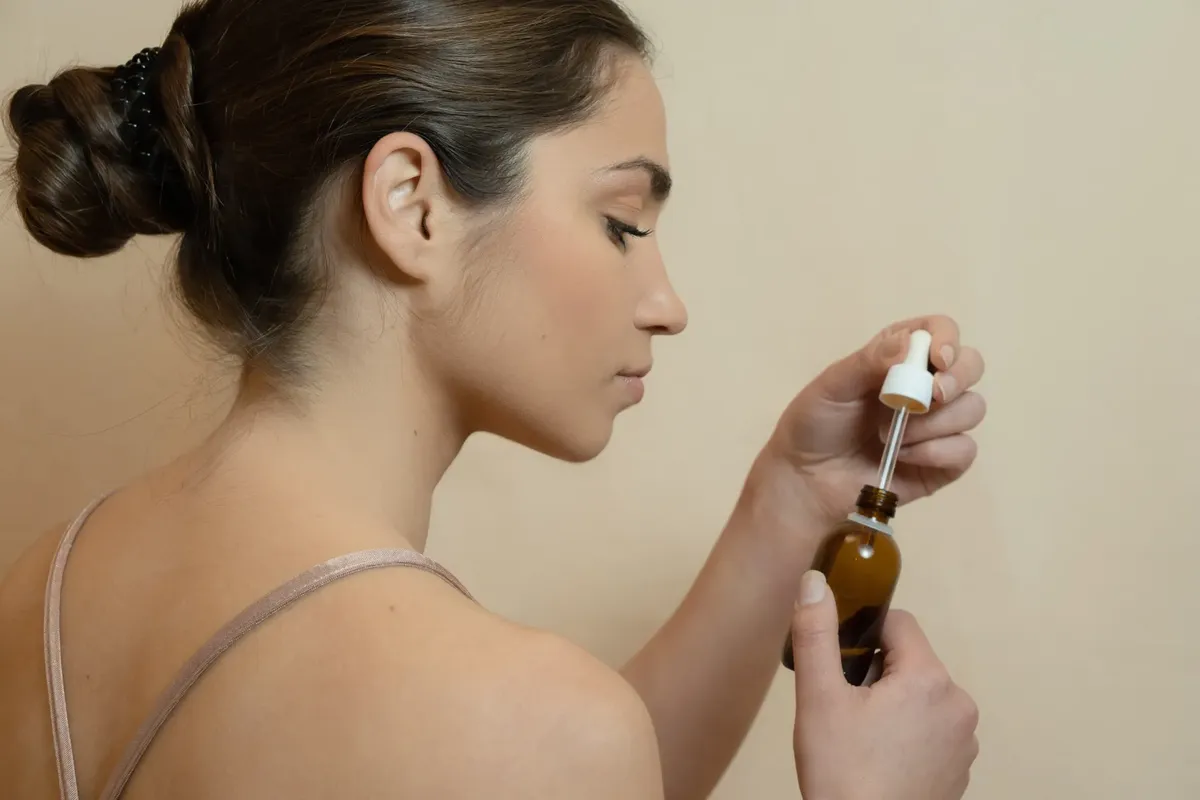
Use dexpanthenol at 2.5% or 5% to manage irritation.
Finally, always check that your drying agents do not cause excessive peeling.
The subject here is Skin type ingredient guide.
The same subject is also called Best ingredients by skin type.
The same subject is also called Skincare for different skin.
The same subject is also called Choosing right skin care.
The same subject is also called Skin health ingredient tips.
This part also covers How to match ingredients to skin.
This part also covers Optimal ingredient combos for skin.
This part also covers Personalized skin care routine guide.
How to match ingredients to skin
Related
- Contract care for skin: Why a structured commitment helps
- Skincare ingredient guide: How to choose best ingredients
What conditions necessitate a personalized skin care routine? 1. Skin sensitivity requires the use of dexpanthenol to manage irritation. 2. Dry skin conditions demand the use of lukewarm water to preserve the protective layer. 3. Areas prone to blemishes benefit from the application of benzoyl peroxide as a drying agent.
The effectiveness of any ingredient hinges upon the current state of your skin's protective layer. For instance, when the skin is compromised, the selection of a soothing agent becomes more critical than the application of a drying agent.
When considering the protective layer, remember that fats constitute a significant portion of the epidermis. Maintaining this balance is the ultimate goal of ingredient selection.
When should sunscreen reapplication be considered? Sunscreen reapplication becomes necessary when the skin is exposed to conditions that compromise the initial application. If you are swimming or sweating heavily, you must reapply the sunscreen frequently to maintain the protective layer. This ensures the barrier against UV rays remains fully functional.
Proper application of sunscreen ensures the protective layer remains intact against environmental damage. Applying the recommended amount is a necessary step to avoid leaving the skin vulnerable to sun exposure.
Choosing the right ingredient combination supports the skin's natural functions. This careful selection helps maintain the integrity of the protective layer over time.





Comments 0