Seasonal 10 minutes male skin care tips for healthy skin
"The changing seasons demand a shift in how we approach skin health to prevent damage and irritation."
Effective seasonal male skin care requires adjusting moisturizer thickness and sun protection based on humidity and temperature levels. This guide focuses on managing oil production in summer and preventing dryness in winter.
Key takeaways include adjusting hydration levels, selecting appropriate sun protection, and recognizing specific skin vulnerabilities.
Why are seasonal changes important for men's skin care?

As the winter wind howls against the window early in the morning, he rubs his tight, dry face and realizes his skin needs a new seasonal routine.
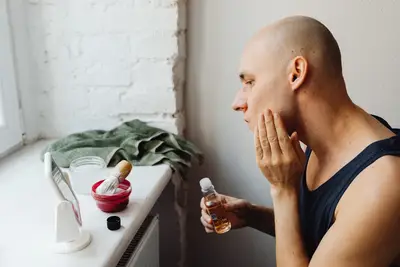
A man stands before a bathroom mirror, feeling the sudden chill of a winter morning or the heavy humidity of a summer afternoon. These atmospheric shifts directly impact the skin's moisture barrier and oil production.
Effective seasonal male skin care involves recognizing that skin does not remain static throughout the year. In summer, increased heat often leads to higher sebum production, while winter air typically draws moisture away from the skin. Adapting your routine helps maintain a healthy balance.
Failure to adjust can lead to breakouts in humid weather or flaky, irritated skin during cold months. Understanding these shifts is the first step toward a consistent routine.
How to manage skin during high exposure periods? Seasonal male skin care tips
The sun beats down on a man walking through a city park during the peak of summer. He realizes that his current moisturizer feels too heavy and greasy under the heat.
Managing skin during high exposure requires a focus on protection and lightweight textures. For those with Type I (pale white skin), the risks are particularly high.
According to the National Institutes of Health, Type I skin burns easily and rarely or never tans, carrying the highest risk of sunburn and skin damage with a maximum exposure time of less than 10 minutes.
To manage this, switch to oil-free moisturizers and water-based gels during hot months. This prevents clogged pores while providing necessary hydration. Always prioritize high-SPF sunscreens to mitigate the risks of UV damage.
What are the steps for a seasonal transition?
He stands in his quiet bathroom at dusk, feeling the cool breeze through the window as he swaps heavy creams for lighter seasonal lotions.
A man opens his cabinet to swap out heavy creams for lighter lotions as the seasons change. He prepares to reorganize his shelf to match the new weather.
Transitioning your routine can be done through these three steps:
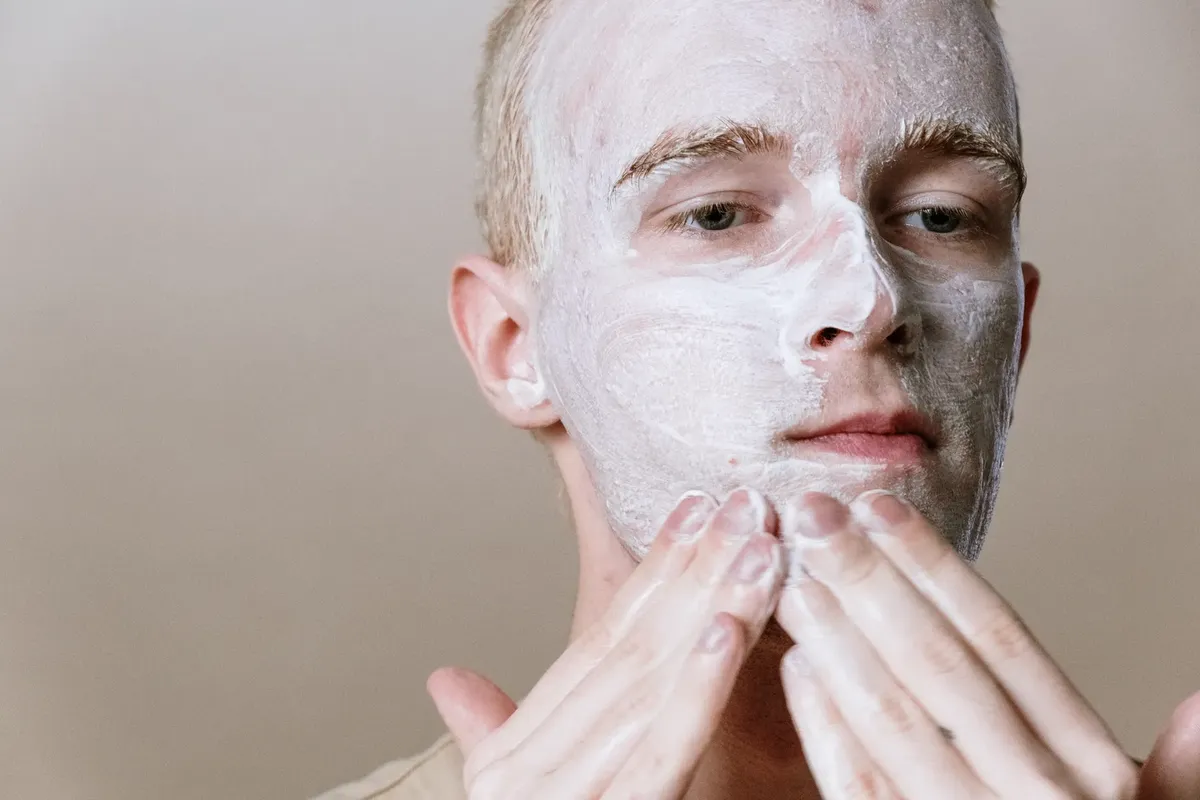
- Evaluate current product textures: Swap heavy, occlusive creams for lighter lotions when temperatures rise. 2. Adjust cleansing frequency: Increase cleansing slightly in humid weather to remove excess oil, but use gentle cleansers in winter to prevent stripping. 3. Update sun protection: Use lightweight, sweat-resistant sunscreens during summer and more hydrating versions in spring or fall.
A final check involves testing a new product on a small area of skin to ensure it does not cause irritation during the transition.
How to handle extreme dryness in winter?
The wind howls outside a window, and a man notices his skin feels tight and uncomfortable after a short walk. He reaches for a thicker moisturizer to combat the dryness.
Winter requires a shift toward more intensive hydration to combat low humidity. When the air is dry, it pulls moisture from the skin, leading to a compromised barrier.
| Season | Primary Focus | Texture Type |
|---|---|---|
| Summer | Oil Control | Gel / Water-based |
| Winter | Hydration | Cream / Oil-based |
I found that switching to a thicker cream during the coldest months helped prevent the tightness I usually feel. Applying moisturizer to slightly damp skin can also help lock in extra hydration.
What are the common mistakes in seasonal care?
A man applies too much heavy moisturizer in the summer, resulting in a shiny, greasy face. He realizes he ignored the humidity levels.
A common mistake is using the exact same products year-round without regard for environmental changes. Using heavy winter creams in the summer can lead to acne, while using light summer lotions in the winter can leave the skin dehydrated.
Another mistake is neglecting sun protection just because it is cloudy or cold. UV rays are present year-round and can cause damage regardless of the temperature.
How to apply these tips to specific skin types?
A man with sensitive skin carefully selects a new product, knowing his skin reacts quickly to environmental changes. He considers how the temperature might affect his redness.
Applying seasonal tips depends heavily on your baseline skin type. For example, oily skin types should focus on non-comedogenic, lightweight fluids to prevent congestion during summer. Dry skin types must prioritize humectants and emollients to combat winter dryness.
If you have skin that is prone to specific medical conditions, such as Epidermolysis Bullosa, specialized care may be necessary. These conditions require careful management of skin integrity regardless of the season.

- Why are seasonal changes important for men's skin care?
- How to manage skin during high exposure periods?
- What are the steps for a seasonal transition?
The subject here is Seasonal male skin care tips.
The same subject is also called Men's skin routine by season.
The same subject is also called Seasonal male skincare guide.
The same subject is also called Best skin care for men now.
The same subject is also called Adjusting men's skin routine.
This part also covers Winter skin care for men.
This part also covers Summer men's skincare routine.
This part also covers Spring fall skin care men.
Related
- Skincare by skin type: Tips for sensitive skin cosmetic tips
- Toner Beginner guide to men's toner for skin health
What precautions should be taken regarding environmental extremes? 1. When facing intense summer heat, one must utilize oil-free moisturizers to avoid pore blockage. 2. During cold weather, the skin barrier suffers from moisture loss, necessitating richer, emollient products. 3. Recognizing the specific vulnerabilities of skin types, such as Type I skin, demands heightened vigilance against environmental stressors during changing seasons.
Extreme weather conditions necessitate a proactive approach to skin maintenance. High humidity in summer increases sebum output, which requires lighter product choices. Conversely, low humidity in winter draws moisture out, making barrier repair the primary goal of the routine.
The comparison between summer and winter care highlights the necessity of textural adaptation. Summer calls for water-based gels to manage oil, whereas winter benefits from cream or oil-based formulations to combat dehydration during changing seasons.




Comments 0