Cleanser guide by skin type: Why observe skin 30 minutes
"Your skin after cleansing tells you a lot."
Choosing a cleanser guide by skin type requires understanding how your face reacts to washing. To find your baseline, wash your face with a gentle cleanser, pat it dry, and wait 30 minutes to see how your natural oils appear.
This guide covers how to identify your needs, comparison of routine needs, and how to choose face wash effectively.
How do I identify my unique skin needs?
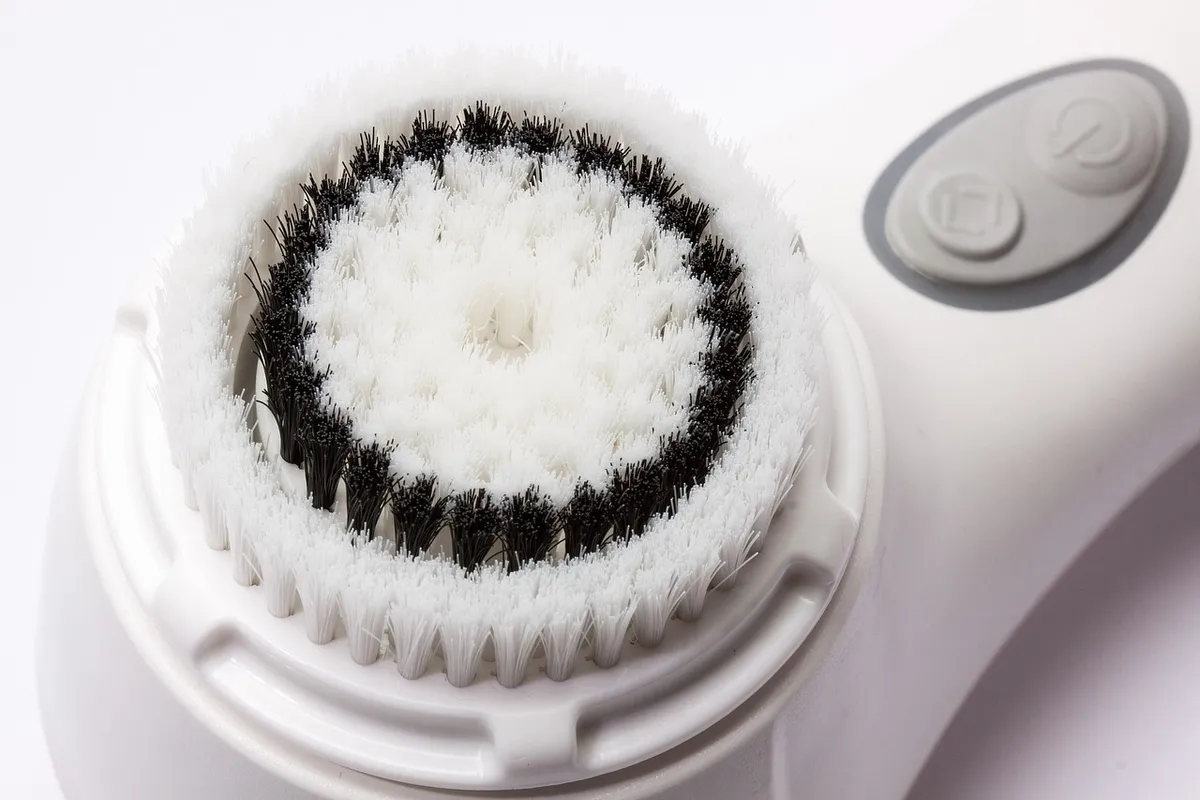
In the morning light of the bathroom, you pat your face dry after using a gentle cleanser to see how your skin feels.
Standing before a bathroom mirror, you watch the clock after a fresh wash to see how your complexion changes. After using a gentle cleanser, you pat your face dry and wait 30 minutes to observe the results.
This waiting period allows your natural oils to resurface, revealing whether you are oily, dry, or combination.
The state of your skin after this waiting period provides the most accurate baseline for your routine. This observation helps you decide if you need more moisture or more oil control.
A consistent observation period ensures you aren't making decisions based on temporarily stripped or overly oily skin.
What is the best cleanser for skin type comparison? Cleanser guide by skin type
In the quiet of the morning, you squeeze a thick, creamy cleanser onto your fingertip to compare its heavy texture against a lightweight gel.
Looking at different product textures on a vanity, you consider how a cream versus a gel affects your face. A cleanser guide by skin type often involves balancing hydration with oil removal. Understanding these differences helps you select products that suit your specific biological needs.
| Skin Condition | Primary Goal | Suggested Action |
|---|---|---|
| Oily | Oil Control | Gentle cleansing |
| Dry | Hydration | Moisturizing wash |
The comparison between these needs depends on the immediate feedback from your skin. For instance, an oily skin wash guide might focus on removing excess sebum without causing irritation. Conversely, a dry skin cleanser choice will focus on maintaining the skin barrier.
How can I manage trouble skin cleanser tips effectively?
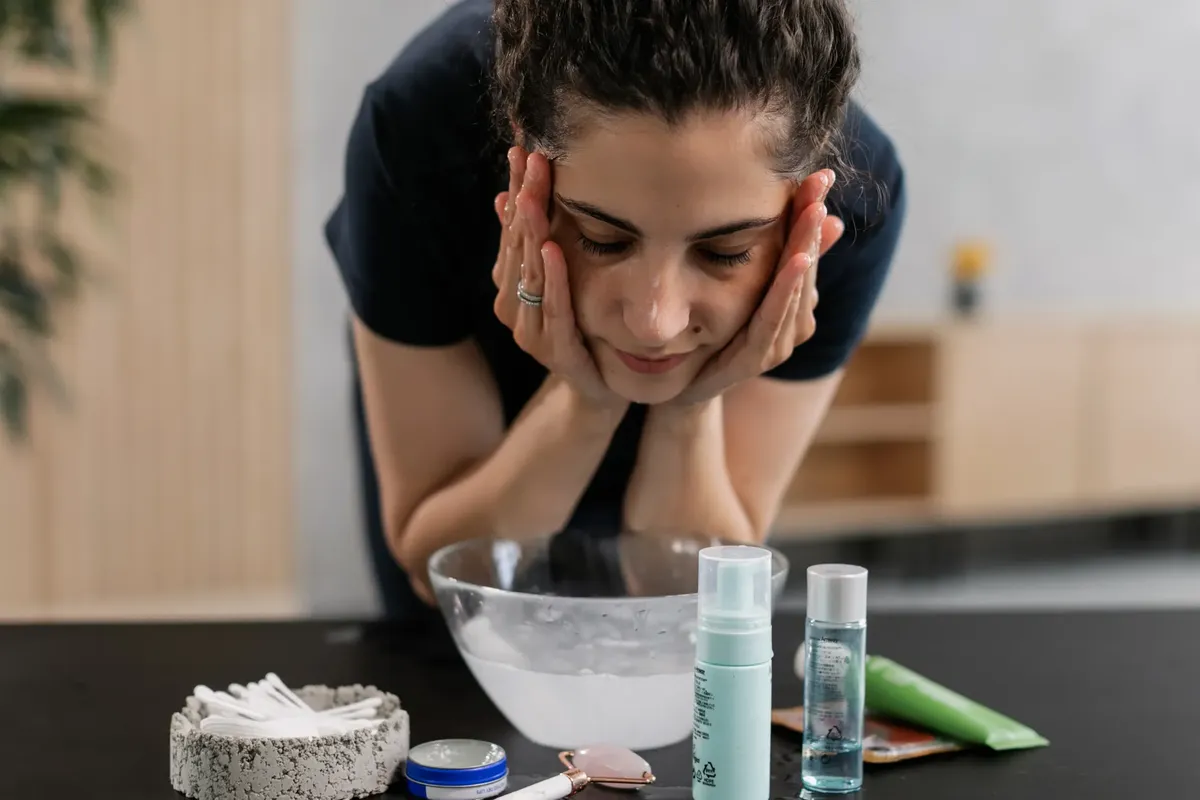
Applying a targeted treatment to a specific area, you notice how texture varies across your cheeks and forehead. Targeted exfoliation should be performed 2–3 times a week to remove dead skin cells. This process improves texture and can enhance product absorption for better results.
If you struggle with congestion, managing texture is often a priority. Regular exfoliation helps clear the surface, but it must be done carefully to avoid irritation. Maintaining a consistent routine helps prevent the buildup that leads to textural issues.
What are the essential steps for a skincare routine for skin type?
Preparing your skin in the morning, you follow a specific sequence of products to prepare for the day. A skincare routine for skin type typically begins with cleansing to create a clean canvas. Following this, you apply treatments and moisturizers to address specific concerns.
- Wash your face with a gentle cleanser to remove impurities. 2. Pat the skin dry carefully with a clean towel. 3. Wait 30 minutes after washing to observe your natural skin state.
I once tried to skip the waiting period, but I quickly realized that my skin's true state was hidden by the immediate post-wash sensation. After observing the skin for 30 minutes, the true needs become much clearer. Most products show noticeable improvement in 4–8 weeks with consistent use.
How do lifestyle factors affect my cleanser selection?
Drinking a glass of water or sitting down for a nap, you realize that topical products are only one part of the equation. In 2025, dermatologists emphasize holistic skincare, such as staying hydrated by drinking at least 2 liters of water daily.
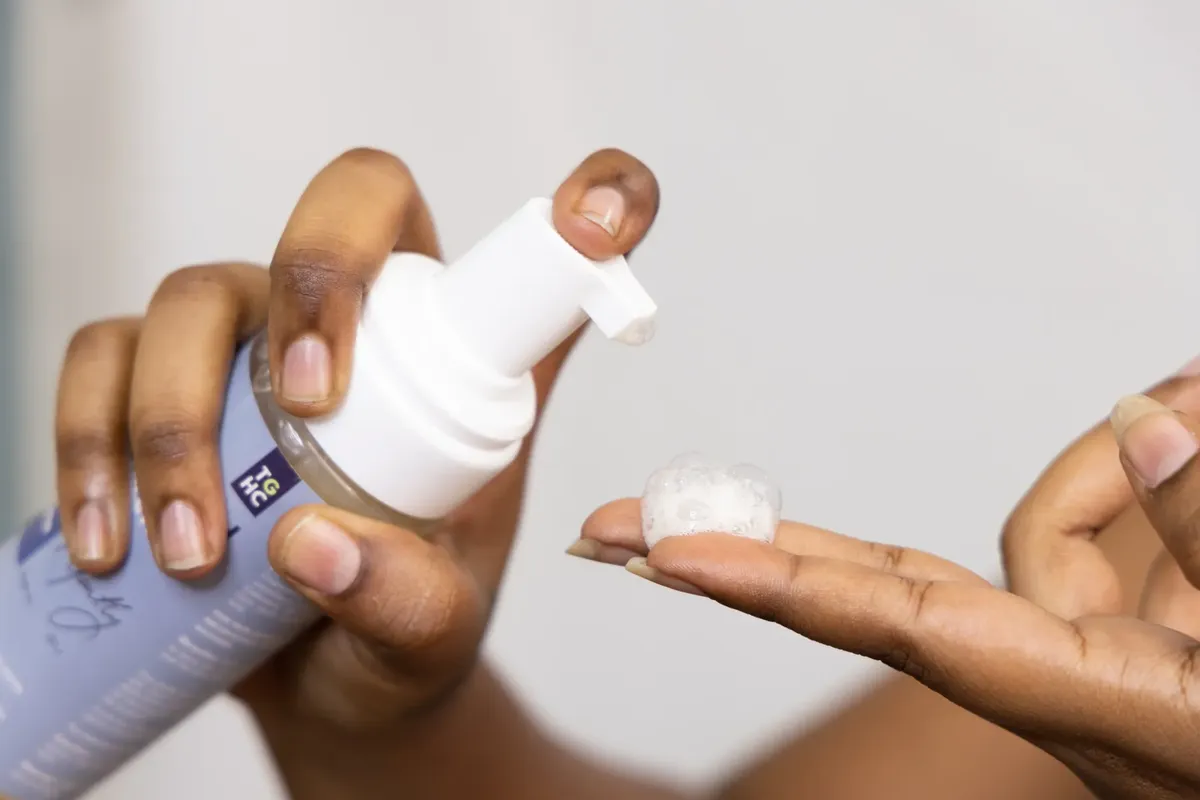
This internal hydration supports the skin's overall health.
Sleep also plays a vital role in how your skin recovers from daily stressors. Getting 7–8 hours of quality sleep is recommended for optimal skin repair. A healthy lifestyle complements your topical routine, making your cleanser choice more effective over time.
- How do I identify my unique skin needs?
- What is the best cleanser for skin type comparison?
- How can I manage trouble skin cleanser tips effectively?
This part also covers Cleanser selection comparison.
Related
- Skincare routine by skin type: Tips for thin skin at 0.5 mm
- Antioxidants guide Morning routine by skin type
When should I re-evaluate my skin cleansing routine?
Revisiting your skin cleansing routine becomes necessary when your skin's reaction to washing changes significantly. If the baseline observation after 30 minutes shifts from oily to dry, for example, your product selection must adapt.
This reassessment ensures the cleanser continues to meet your current biological needs.
Changes in your skin's condition might also prompt a review of your cleansing habits. A persistent feeling of tightness after cleansing suggests the current wash is too stripping for your skin.
Conversely, if the skin feels consistently greasy even after cleansing, the product might lack adequate oil control.
Consistent monitoring of your skin's response to the cleansing process is key to long-term skin health. Observing these subtle shifts prevents the reliance on a cleanser that was appropriate for a past skin state.
What are the cautions when choosing a cleanser?
One caution involves avoiding products that promise extreme results without considering your skin type. A cleanser designed for very oily skin might overly dry out combination skin, leading to compensatory oil production.
Always prioritize the gentle cleansing approach when unsure about your skin's exact needs.
Another caution relates to the frequency of exfoliation when using a strong cleanser. Over-exfoliating, especially when using a harsh cleanser, can damage the skin barrier. This damage can negate the benefits of proper cleansing and routine application.
It is important to remember that the initial skin type identification is only a starting point for your cleansing journey. Your skin's needs can evolve due to environmental factors or internal changes, requiring periodic re-evaluation of your current cleansing regimen.
How does the cleanser choice interact with other routine steps? The choice of cleanser directly influences how subsequent products perform on your skin. A cleanser that leaves behind a residue can impede the absorption of treatments, regardless of how well those treatments are formulated. Conversely, a cleanser that strips too much moisture can cause the skin to compensate by producing more oil, thereby undermining the goal of oil control. Understanding this interaction is crucial for effective skin care.
When comparing a moisturizing wash to an oil control cleanser, consider the next step in your routine. If you use a heavy moisturizer, a very gentle cleanser might be sufficient to maintain hydration.
However, if your primary concern is congestion, a cleanser formulated for oil control must be paired with appropriate pore-clearing treatments.
The effectiveness of the entire skin care process hinges on the initial cleansing step. If the cleanser fails to adequately remove impurities, any subsequent application of serums or moisturizers will operate on a compromised surface.
This highlights the importance of selecting a cleanser that matches the skin's current condition.
Disclaimer: This article is general information, not medical advice. Consult a qualified healthcare professional before taking any supplement or medication.





Comments 0